Introduction
Achieving rich, lasting, and brand-accurate graphics on wood and MDF surfaces often poses a challenge. Standard printing methods can result in faded colors, poor ink adhesion, and images that quickly scratch or wear down in commercial settings. These outcomes can detract from a brand’s visual presentation and necessitate costly replacements.
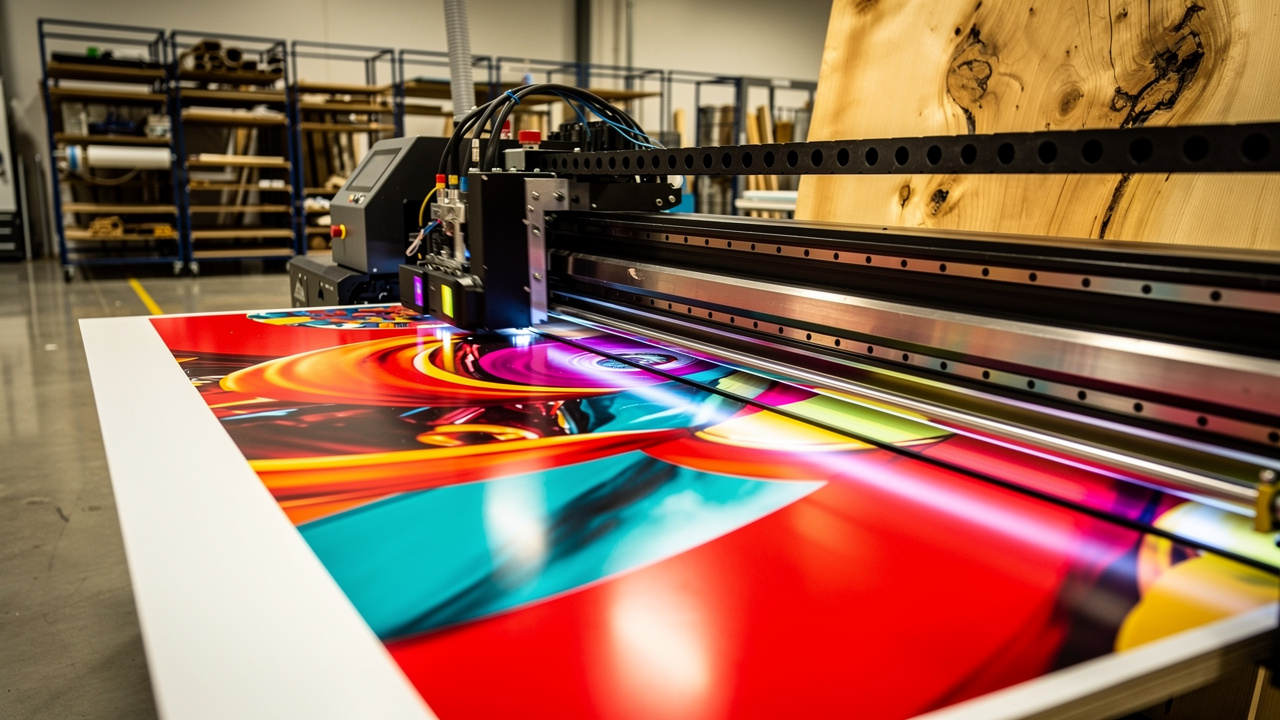
UV printing offers a clear advantage for these issues. This advanced method uses ultraviolet light to instantly set specially formulated inks directly onto the material, creating a resilient and visually striking finish. This guide explains the process of UV printing on wood and MDF, why it offers a better option for commercial use, and how it can be applied in architectural design, retail, and events.
Curious how this method can improve your projects? Let’s explore the specifics.
Key Takeaways
UV printing on wood and MDF uses a process where UV light instantly hardens ink, stopping it from soaking into the material and providing clear, high-resolution prints.
This approach creates prints that are highly resistant to wear and fading, performing better than traditional printing, which makes it suitable for busy commercial environments.
It serves a broad array of commercial needs, including custom architectural panels, retail displays, hospitality décor, and large-format exhibition graphics.
Waseem Printing Services provides complete UV printing services, combining modern flatbed technology with accurate color matching for clients in the UAE and around the world.
What Is UV Printing On Wood And MDF?
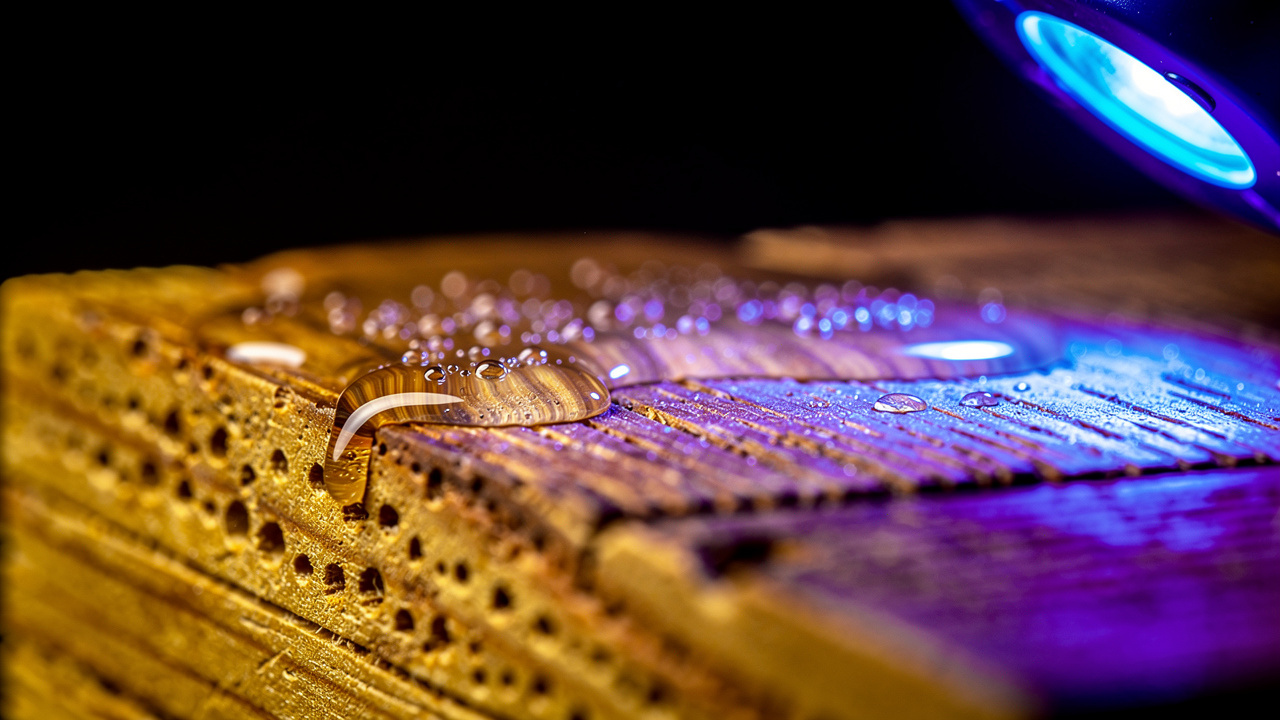
Understanding UV printing on wood and MDF starts with its distinct hardening process, which distinguishes it from conventional printing. This method precisely applies specially made liquid inks, which contain photoinitiators, onto the wood or MDF board. Immediately after application, these inks are exposed to strong LED UV lamps. This light causes a chemical reaction — a process explored in research on the Impact of Shape Transformation of printed 3D structures — changing the liquid ink into a solid, durable film in a very short time. This quick hardening is a primary benefit when working with absorbent materials.
Because the ink hardens instantly, it does not have time to seep into the wood grain or MDF fibers. Instead, it forms a strong layer that sits directly on the material’s surface. This prevents the color bleeding and loss of detail often seen with solvent-based inks on porous surfaces. The outcome is remarkably sharp text, clean lines, and vivid, high-resolution images that maintain their clarity and visual power.
Both wood and MDF (Medium-Density Fiberboard) are excellent surfaces for this technology, though they offer different visual qualities. Natural wood brings an organic texture and a distinct grain, adding depth and a premium feel to the final print. MDF, an engineered wood product, is valued for its completely smooth and consistent surface. This evenness makes MDF especially suitable for projects requiring exact brand color reproduction and very detailed graphics, as there is no underlying wood grain to interfere with the final image.
Why UV Printing Outperforms Traditional Methods On Wood And MDF
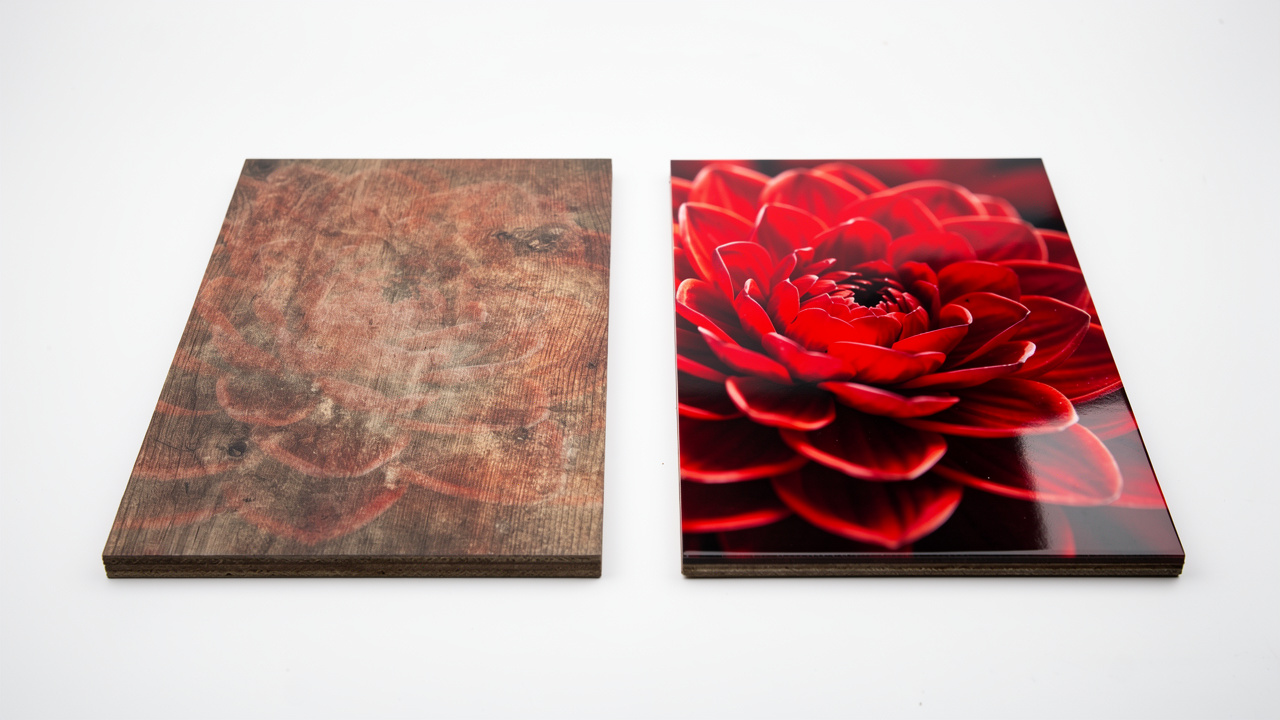
When considering options for printing on wood and MDF, UV printing consistently offers better results than traditional approaches such as screen printing or solvent-based applications. Its advantages are most apparent in adhesion, resilience, and color accuracy, particularly on materials that are not naturally white. For commercial projects in demanding environments, these benefits are vital for long-term performance and brand consistency.
One of the most important advantages is superior adhesion and lasting power, a property well-documented in the Evaluation of UV-Curable Solid materials used in advanced printing technologies. The instant hardening process creates a strong polymer bond between the ink and the substrate surface. This hardened layer naturally resists scratches, scuffs, and abrasions—a necessary feature for busy areas like retail stores, hotel lobbies, and corporate offices. Furthermore, UV-cured inks are highly resistant to moisture and fading from sun exposure, making them a dependable choice for the intense climate of the UAE.
Color accuracy on non-white materials is another area where this method excels. Traditional printing often struggles to replicate brand-specific Pantone colors accurately on the natural tones of raw or stained wood, a challenge examined in research covering DIFFERENT METHODS FOR PRODUCING color reproductions on printed objects. The colors can appear muted or unclear. UV printing addresses this by first applying an opaque layer of white ink as a base. This white base acts like a primer, making sure that subsequent CMYK colors appear bright, accurate, and true to the original design, regardless of the wood’s natural shade.
“Because UV ink sits entirely on the surface rather than absorbing into the material, the result is maximum color saturation, razor-sharp detail, and a premium finish — even on the most porous or unconventional woods.”
Top Commercial Applications Of UV Printing On Wood And MDF
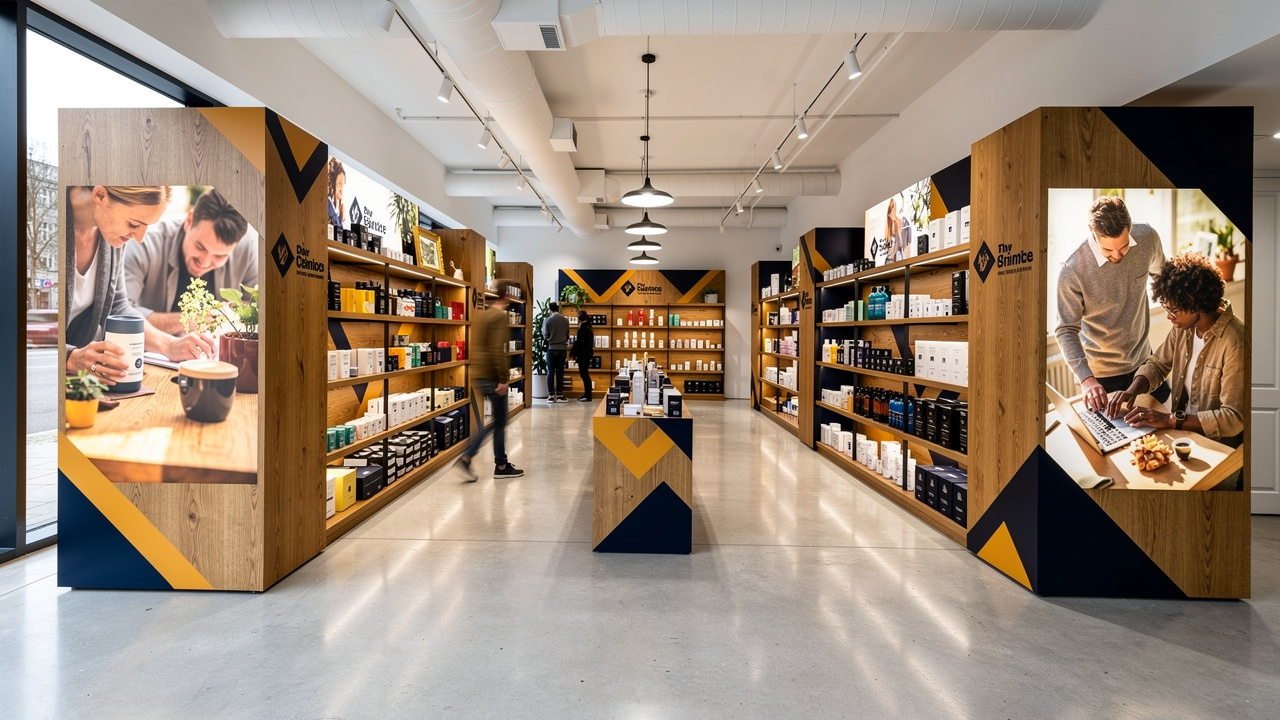
The adaptability of UV printing on wood and MDF creates a wide spectrum of uses across many commercial sectors. It gives architects, designers, retailers, and brand managers the ability to create custom, impactful visuals that are both attractive and built to last. From large architectural installations to detailed point-of-purchase displays, this method meets varied professional requirements.
For architectural and interior design projects, the possibilities are broad. Designers can create custom-printed MDF wall panels to serve as branded focal walls in corporate headquarters or produce high-resolution images on acoustic panels without reducing their sound-absorbing qualities. This allows for the smooth integration of art and branding into working spaces like executive boardrooms and luxury hotel lobbies. According to a recent report from Mordor Intelligence, the demand for personalized and branded commercial interiors continues to grow steadily.
In retail and hospitality, signage and displays need to be both noticeable and hard-wearing — production techniques for such applications are detailed in the Practical Guide to Screen-Printing in printed electronics, which highlights surface compatibility considerations relevant to commercial display work. UV printing is used to create custom wooden display units, branded point-of-purchase signs, and refined restaurant menu boards that can withstand frequent cleaning with commercial sanitizers. Directional plaques and tabletop displays printed on wood or MDF add a touch of refinement while meeting the practical needs of a busy commercial setting.
| Feature | Natural Wood | MDF |
|---|---|---|
| Surface Consistency | Varied (grain texture) | Very uniform |
| Ink Adhesion | Good (often with primer) | Excellent |
| Best For | Organic, sophisticated appearance | Precise branding, clear signage |
| Cost | Higher | More economical |
| Customization | Limited standard sizes | Completely adjustable sizing |
For exhibitions and corporate events, large-format UV-printed MDF panels are a common preference. They are used to build trade show backdrops, modular exhibition stands, and branded installations for significant events, such as those held at the Dubai World Trade Centre. The quick production times and consistent color reproduction provided by Waseem Printing Services help ensure that event materials are delivered promptly and align perfectly with brand guidelines.
How Waseem Printing Services Delivers Precision UV Printing On Wood And MDF
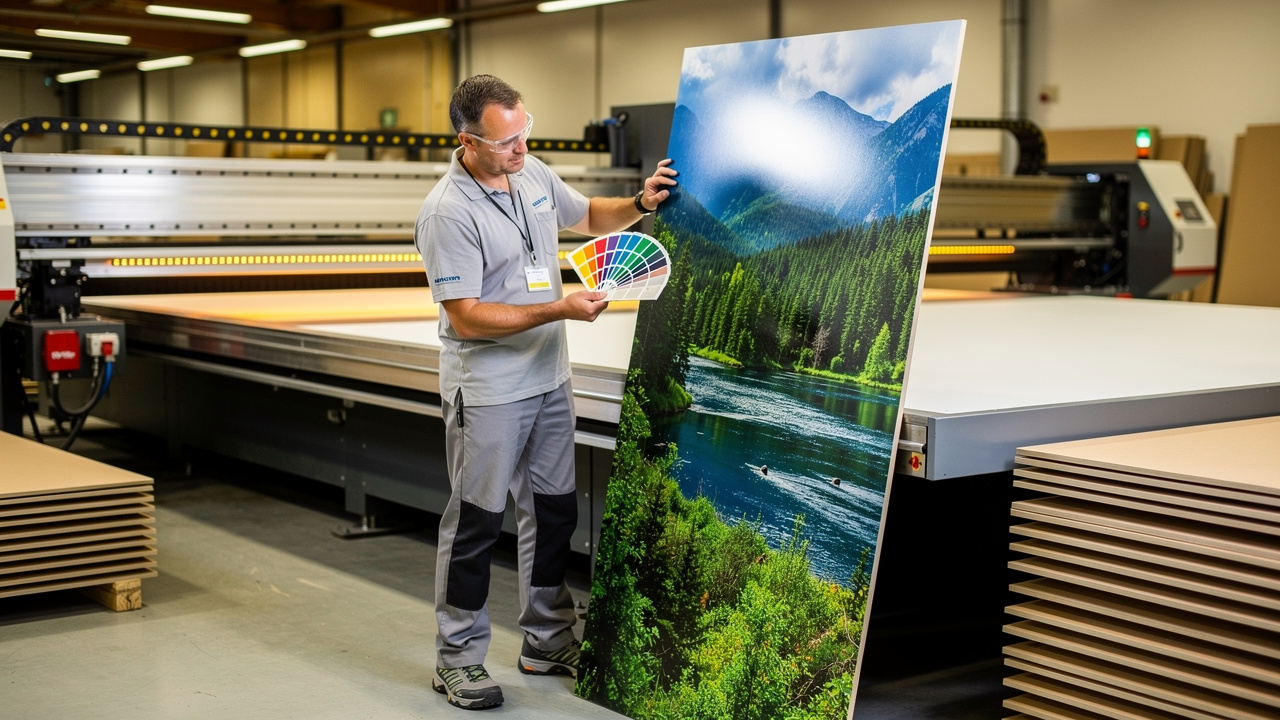
Achieving excellent results with UV printing on wood and MDF requires more than just modern equipment; it calls for deep technical knowledge and a client-focused approach. Waseem Printing Services combines state-of-the-art technology with a full-service model to act as a true production partner for corporate designers, architects, and brand managers operating across Dubai, the UAE, and international markets. Our process is designed to deliver accuracy, lasting quality, and perfect brand alignment on every project.
Our production centers on industrial flatbed UV printers. This technology allows us to print directly onto rigid wood and MDF surfaces with exact precision. We support this with advanced color-matching processes, making certain that your brand’s specific Pantone colors are reproduced with complete accuracy. This is especially important when printing on the varied tones of natural wood, where our use of a high-opacity white ink base guarantees bright and consistent results.
We also offer a complete workflow that simplifies the entire process for our clients. From the initial design consultation and material testing to custom sizing, printing, and final delivery, Waseem Printing Services manages every step. This smooth approach removes logistical difficulties and provides a single point of contact for complex projects. Our ability to scale production from local business requirements to large international corporate commissions makes us a reliable partner for marketing managers and architectural firms working under tight project schedules.
The Takeaway
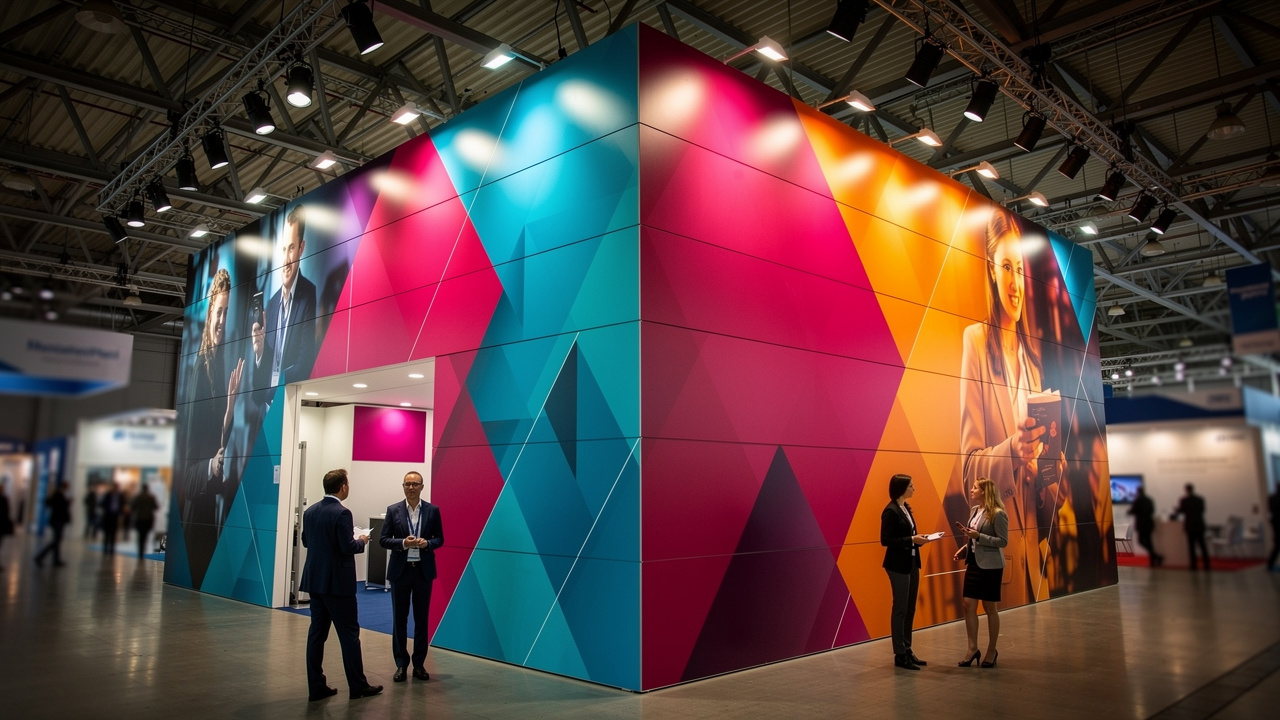
UV printing on wood and MDF stands as a leading option for commercial uses that demand durability, striking color, and a refined appearance. Its instant-cure method makes sure that graphics stay sharp and fade-resistant, making it well-suited for architectural interiors, retail displays, and impactful exhibition materials. The ability to print on various surfaces with exact color accuracy opens up new creative possibilities for brands.
For professionals looking to use this technology, collaborating with an experienced provider is important. Waseem Printing Services brings together industrial-grade flatbed printers with a smooth, comprehensive workflow to offer precise and custom UV printing services. We are prepared to manage projects of any size for clients across the UAE and globally.
Contact our specialists today to discuss how we can bring your next wood or MDF printing project to life.
Frequently Asked Questions
Question 1: Can UV printing be done on raw, unfinished wood?
Answer: Yes, UV printing can be applied to raw wood. We often use a specialized adhesion primer to help create the best possible bond between the ink and the wood surface. The instant hardening process stops the ink from soaking into the wood grain, maintaining the clarity of the image.
Question 2: What is the difference between UV printing on wood and MDF?
Answer: MDF provides a perfectly smooth, consistent surface that is ideal for producing highly detailed graphics and achieving uniform color. Natural wood offers a distinct, organic aesthetic with its visible grain texture. MDF is often more cost-effective and simpler to work with for large-scale commercial projects needing exact consistency.
Question 3: How long does UV-printed wood or MDF last in a commercial environment?
Answer: UV-cured prints are designed for great durability and are highly resistant to fading. They can withstand scratching, moisture, and commercial cleaning agents, making them suitable for busy environments. This lasting quality is particularly valuable for retail, hospitality, and corporate interiors in the UAE’s challenging climate.
Question 4: Is UV printing on MDF safe for indoor environments?
Answer: Absolutely. The UV curing process involves photopolymerization — a method also explored in work on USING UV PRINTING TECHNOLOGY for precision applications — which releases almost no Volatile Organic Compounds (VOCs) or harmful solvents. This makes UV-printed MDF panels safe for enclosed spaces like offices, hotels, and even healthcare facilities, as there is no off-gassing after installation.