Premium corporate lobbies, retail flagships, and hotel lounges in the UAE need graphics that look as sharp as the original photograph, yet many printed panels still show banding, soft edges, or faded brand colors.
UV printing on acrylic closes that gap by curing ink instantly on the surface so every pixel stays crisp. When UV Printing Delivers Photo-Quality Graphics on Acrylic, the result rivals gallery photography while staying tough enough for busy commercial interiors. Clear acrylic turns into a bright, glass-like canvas for brand stories.
This guide explains what UV acrylic printing is, why it achieves true photo detail, and where it works best in corporate, retail, hospitality, and event spaces. You also see how Waseem Printing Services manages the full process in Dubai and across the region, from artwork to installed panels. Read on to match your next project brief with the right acrylic print approach.
Key Takeaways
UV printing on acrylic sends ink directly onto the panel and cures it with ultraviolet light, creating a hard, bonded surface instead of a vinyl layer that can peel. The result feels premium and stands up well in busy interiors.
Photo-level quality comes from very fine print resolution, a wide color range, and controlled white ink layers on clear material. Acrylic adds high clarity and a smooth surface, so colors look clean and gradients stay smooth. Brand managers gain reliable control over logos and Pantone shades.
UV-printed acrylic shines in reception features, acoustic walls, retail fixtures, hotel signage, exhibition stands, and corporate gifts. A strong print partner advises on acrylic type, thickness, and mounting. Waseem Printing Services fills that role for Dubai and international clients that need consistent commercial output.
What Is UV Printing on Acrylic and Why Does It Matter?
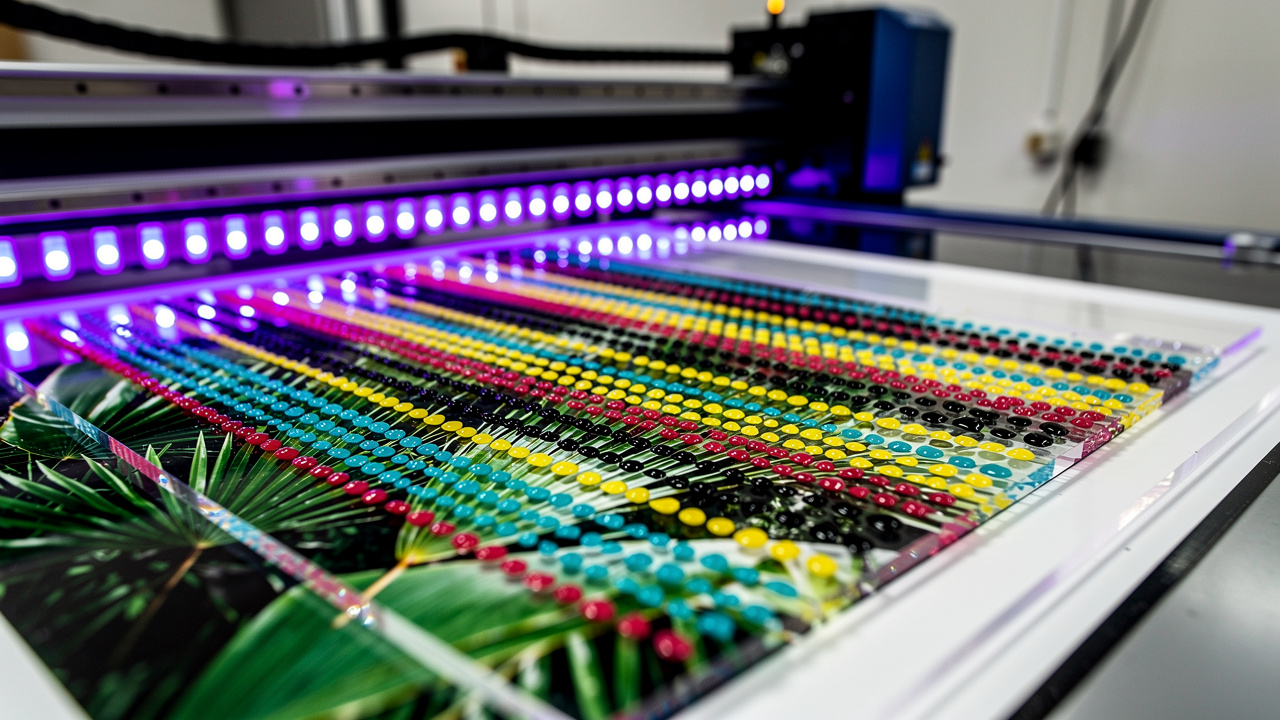
UV printing on acrylic is a direct print process where ultraviolet light cures special inks straight onto rigid acrylic sheets. The ink hardens on contact, forming a tough, bonded layer instead of a separate vinyl film. For corporate and retail spaces, that means cleaner visuals, fewer installation issues, and panels that cope well with daily use.
In a UV flatbed system, the acrylic panel rests on a vacuum table while the print head moves across it. Tiny drops of CMYK ink – plus white and clear varnish when required – land on the sheet and are frozen in place by UV LEDs next to the head. Because the ink cures instantly rather than soaking in, text stays sharp and gradients keep their shape.
Older methods handle acrylic very differently. With vinyl prints, solvent or latex ink goes onto a flexible film that is later applied to acrylic; that extra layer can bubble, wrinkle, or yellow over time. Screen printing handles spot colors but struggles with detailed photographs, and solvent inkjet on rigid panels often has adhesion problems on smooth acrylic.
Acrylic itself suits this process. Clear cast acrylic has very high light transmission, close to glass; PLEXIGLAS corporate data reports that clear acrylic can pass about 92 percent of visible light, which makes backlit prints appear bright and clean. Its smooth, non‑porous surface keeps UV ink dots tight, so there is very little spreading. Design teams typically choose between:
Cast acrylic: offers better clarity and surface quality, so it suits high‑end, photo-focused UV work for feature walls and signage.
Extruded acrylic: usually costs less and fits short-term or less demanding panels, such as simple backdrops or temporary retail displays.
Waseem Printing Services helps specifiers pick the right grade and thickness early in the project so print quality, budget, and installation all line up.
Here is a quick comparison many project teams find useful:
| Method | Image Quality | Typical Issues | Best For |
|---|---|---|---|
| Direct UV on Acrylic | Photo level, full color, white ink options | Needs flat, clean sheets | Premium interiors and signage |
| Vinyl on Acrylic | Good color, limited depth | Peeling edges, bubbles, yellowing | Short term campaigns |
| Screen Print on Acrylic | Strong flat colors | No photographs or gradients | Simple logos at high quantity |
How UV Printing Achieves True Photo-Quality Output on Acrylic
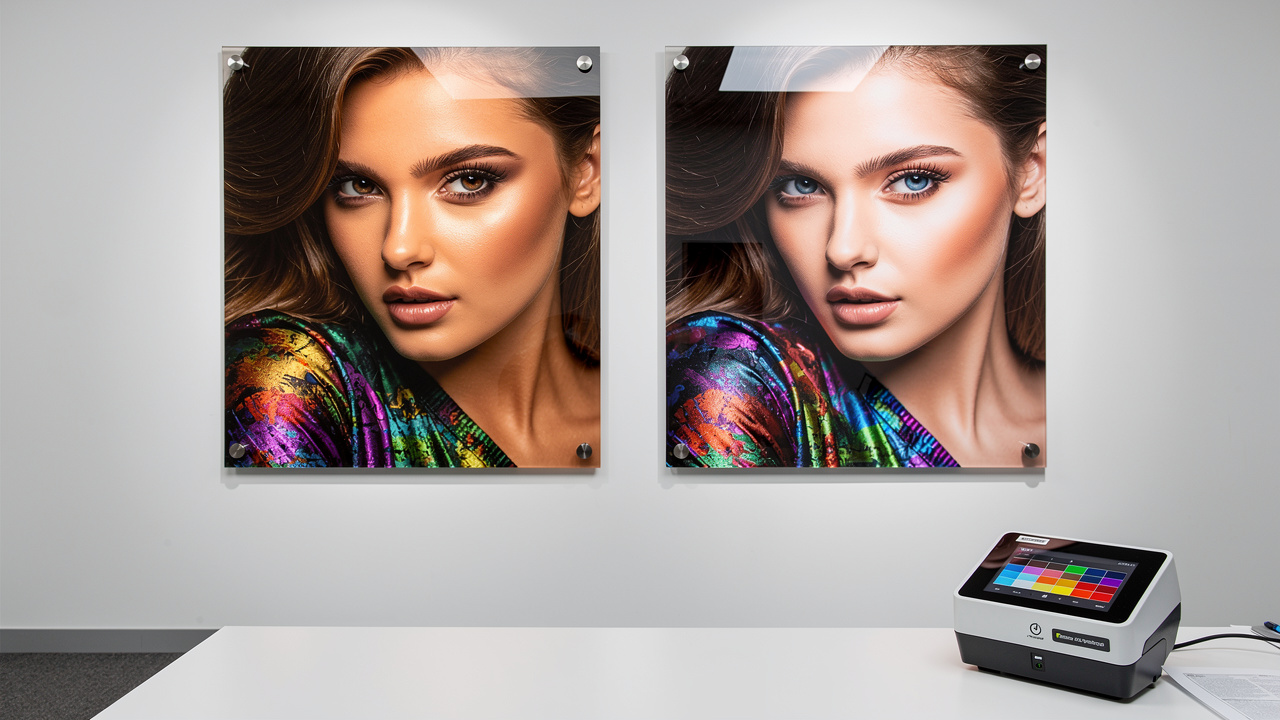
UV printing achieves true photo quality on acrylic by combining high resolution, wide color range, and carefully controlled white ink layers on clear material. When those three work together, UV Printing Delivers Photo-Quality Graphics on Acrylic that look closer to gallery prints than standard signage.
Resolution is the first pillar. Modern UV flatbeds often run at 1,200 dpi or more. On smooth acrylic, those tiny dots land exactly where the RIP software places them, so small text, hairlines, and skin tones all appear clean without visible stepping.
Color is the second pillar. UV printers use CMYK inks, sometimes with extra light colors, and are profiled with ICC settings tuned to a specific acrylic and ink set. That gives brand managers tight control over Pantone logos and corporate palettes across repeat orders.
“Color consistency remains one of the top reasons brands stay loyal to a print partner.”
— FESPA industry research
Waseem Printing Services builds these profiles into daily production so a panel printed next year matches one approved today.
White ink completes the picture on clear or tinted acrylic. A solid white layer behind the image stops light where needed so colors stay solid, even in front of bright walls or light boxes. Selective white can sit only behind key elements, while reverse, or second‑surface, printing puts the ink on the back of the sheet with white behind it so viewers look through the glossy face into the artwork.
Durability supports the visual effect. Once UV inks cure, they form a tough film that tolerates cleaning and frequent touch. Guidance from 3M for interior graphics notes that UV‑cured inks keep their appearance for many years when displayed indoors and cleaned with mild products.
“UV-cured inks provide long-term performance for interior graphics when combined with appropriate substrates.”
— 3M display graphics guidance
To pull this together, project teams can keep three checks in mind:
High‑resolution print modes keep gradients smooth and small text legible, giving confidence to use detailed photography even on large walls.
Color‑managed workflows with calibrated monitors and ICC profiles keep corporate colors consistent across offices, stores, and events.
Multi‑layer layouts mix color, white, and clear varnish in one file to add depth, protect the image behind the acrylic, or add raised logo elements visitors can feel.
Where UV-Printed Acrylic Delivers the Most Commercial Impact
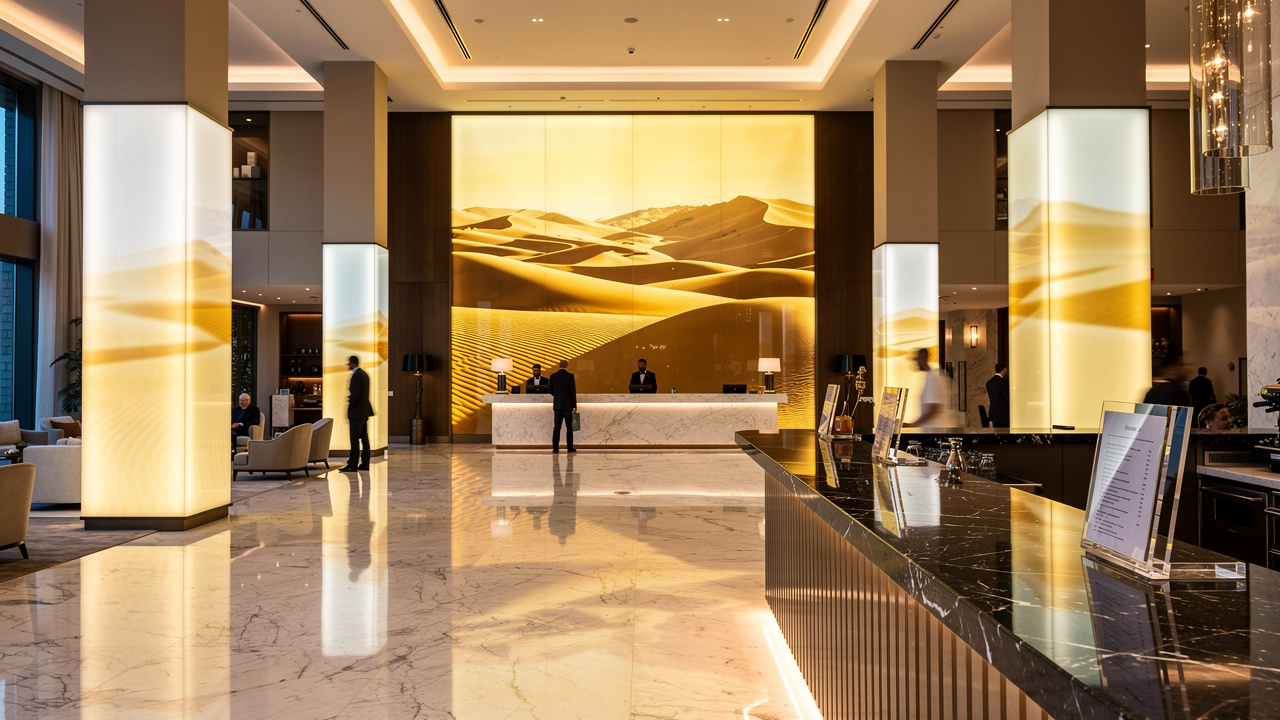
UV‑printed acrylic stands out where surface quality and longevity both matter: corporate interiors, architectural elements, retail and hospitality spaces, exhibition stands, and branded gifts. In all of these, UV Printing Delivers Photo-Quality Graphics on Acrylic that ordinary posters or foam boards cannot match.
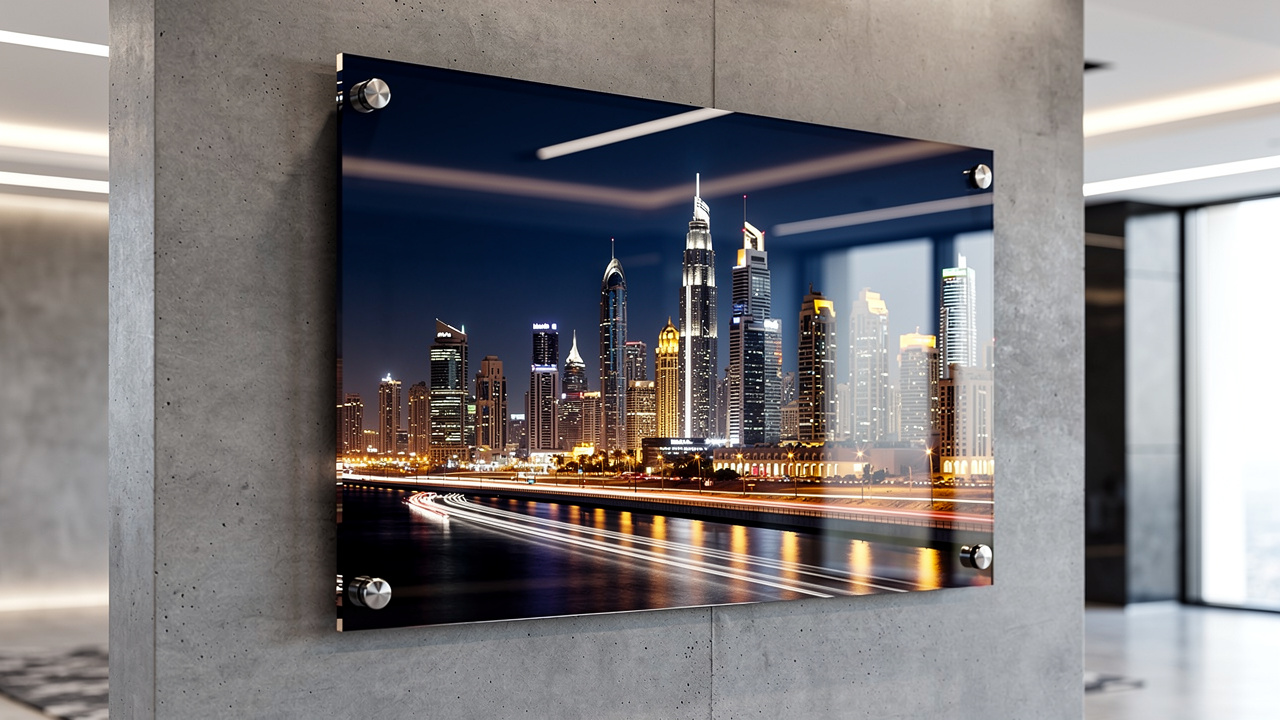
In corporate offices across districts such as Dubai International Financial Centre, large acrylic feature walls and reception logos set the first impression. Designers often specify backlit panels with city photography, brand patterns, or mission statements. The controlled white ink in direct‑to‑acrylic UV printing lets lighting designers shape how light passes through logos or gradients, while the hard surface wipes clean without streaks.
Wayfinding and room identification follow the same logic. Hospitals, universities, and corporate campuses often use UV‑printed acrylic for floor directories, department markers, and donor walls because the panels stay flat, resist scuffs, and clean easily. Projects that align with Estidama or LEED checklists also benefit from the low volatile organic compound output of UV inks compared with some solvent methods.
Retail and hospitality brands use these strengths for product displays and guest communication. In malls such as Dubai Mall, acrylic fixtures hold fragrance bottles, fashion accessories, or electronics, backed by high‑impact prints that stay rich under LED spotlights. Hotels from groups such as Jumeirah or Emaar place UV‑printed acrylic in menu boards, spa signage, bar fronts, and lift lobby art, confident that housekeeping staff can wipe them down without swelling or peeling.
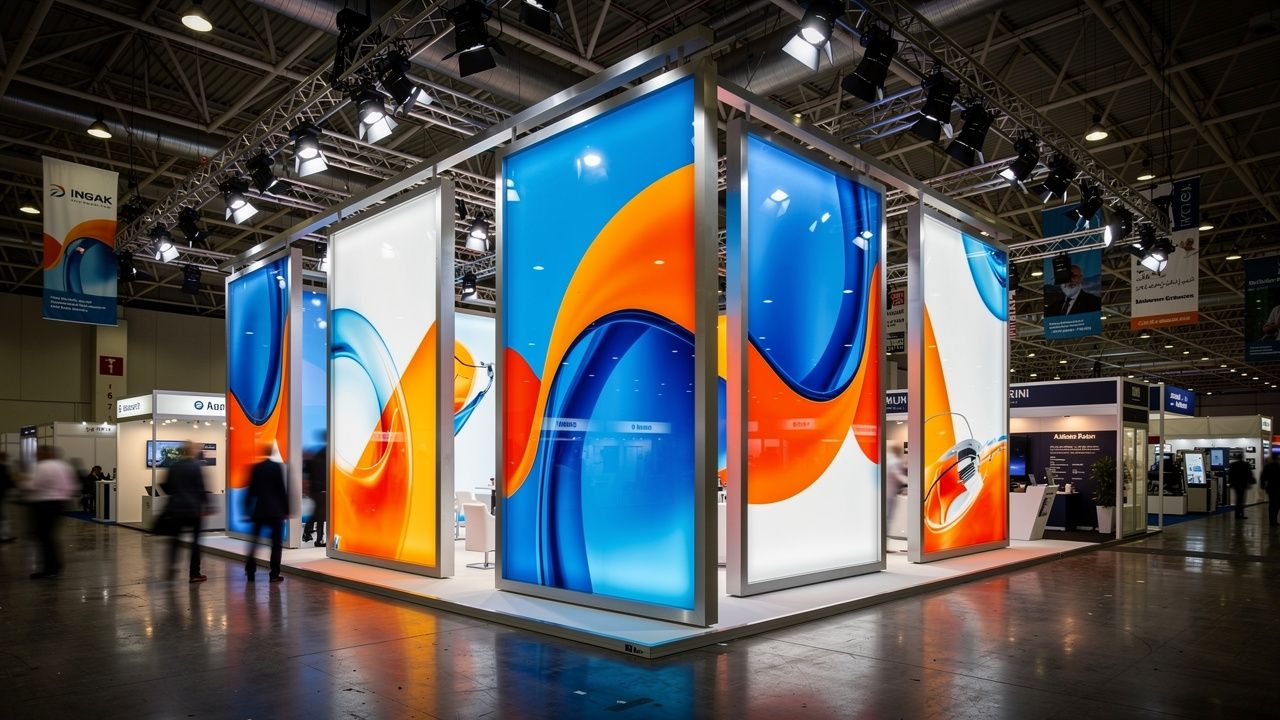
Exhibition and event work combines all of this. Venues like Dubai World Trade Centre and ADNEC host shows where stands must stand out among hundreds of competitors. Thin acrylic sheets around 3 mm keep structural weight low while showing sharp graphics visible both across the hall and at close range. Panels can often be reused on regional roadshows, which helps marketing budgets.
Corporate interiors and architectural features gain high‑impact reception walls, backlit brand statements, and acoustic panels that double as art while staying easy to maintain.
Retail, hospitality, and exhibitions benefit from brighter merchandising, durable signage, and graphics that still look fresh after months of air conditioning, crowds, and frequent cleaning.
How Waseem Printing Services Delivers UV Acrylic Printing in the UAE
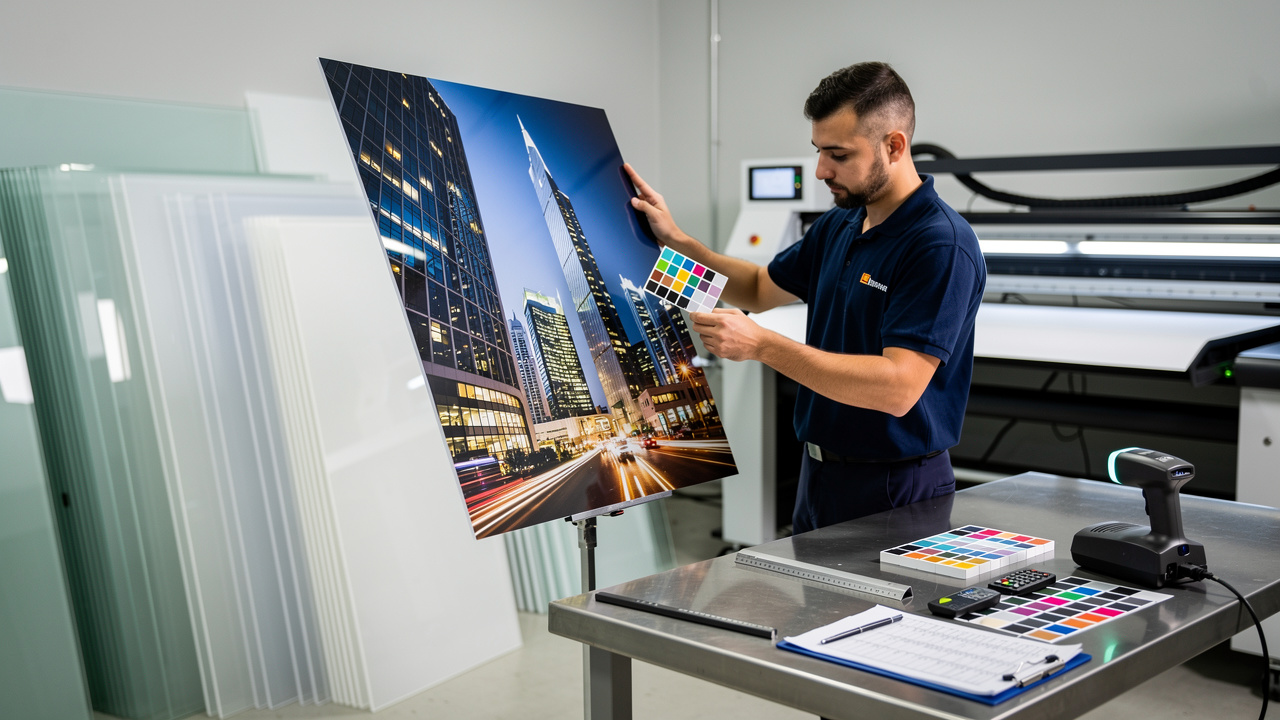
Waseem Printing Services delivers UV acrylic printing in the UAE using industrial flatbed technology, precise color control, and a clear, repeatable workflow. That combination helps designers, architects, and brand teams move from approved artwork to installed panels with confidence.
Industrial UV flatbed printers at Waseem handle acrylic, glass, wood, MDF, leather, and acoustic panels. Ink cures instantly on each sheet, enabling custom sizes from small desk plaques to wall‑height features, with routing and polishing so finished edges match interior standards in high‑end offices.
Color accuracy is managed with calibrated screens, spectrophotometers, and printer‑specific ICC profiles that align with Pantone and corporate color guides. Industry research from FESPA shows color consistency is a leading selection factor for print buyers, so this profiling work protects brand equity across multi‑site rollouts.
The same platform prints across many flat materials, which simplifies mixed projects. A single store, office, or exhibition stand can combine UV‑printed acrylic with MDF plinths or acoustic panels while keeping graphics aligned in tone and sharpness.
Projects usually follow three clear stages:
Brief And Consulting – confirm application, size, quantities, deadlines, and brand requirements; recommend acrylic grade, thickness, and mounting options.
File Preparation And Preflight – check resolution, color mode, bleeds, and fonts; advise on white ink and varnish layers where needed.
Production And Finishing – print, cut, drill, polish, and inspect each batch under neutral lighting before packing panels by location.
From its base in Dubai, Waseem Printing Services supplies acrylic graphics across the GCC for headquarters interiors, hotel programs, and major exhibitions such as GITEX and Arabian Travel Market.
The Bottom Line
For projects where brand color accuracy, photographic detail, and long service life all matter, UV printing on acrylic is a smart technical choice.
Direct‑to‑acrylic UV printing bonds ink to a rigid, clear surface, supports high resolution, and uses white ink to tune opacity and light. Reverse printing adds depth by placing the image behind the acrylic face. Across reception walls, acoustic panels, retail fixtures, exhibition stands, and awards, UV Printing Delivers Photo-Quality Graphics on Acrylic that stay bright for years.
If you are planning a new interior, flagship store, or event presence in Dubai or the wider region, speaking with Waseem Printing Services is a practical next step. Industrial UV equipment, color‑managed workflows, and cross‑substrate experience make it easier to move from drawings to installed panels that look the way the design team intended.
Frequently Asked Questions
What Is The Difference Between Cast And Extruded Acrylic For UV Printing?
Cast acrylic is poured in sheets, so it offers better optical clarity and surface quality, which suits high‑resolution UV graphics. Extruded acrylic costs less and works for less demanding jobs where tiny details and perfect clarity are not the main goal.
Can UV-Printed Acrylic Panels Be Used In Outdoor Environments In The UAE?
UV‑cured inks resist moisture and have good fade resistance, so panels handle bright interiors and semi‑sheltered spaces well. Direct outdoor use under harsh desert sun usually needs extra protection, such as laminates or framing, which your print partner can advise on.
What File Format And Resolution Should I Supply For A UV Acrylic Print Project?
High quality PDF, AI, or TIFF files at 300 dpi or higher at final size work best. Use CMYK color mode and embed or outline fonts; Waseem Printing Services preflights each file and will flag any resolution or color issues before production.
Is UV Printing On Acrylic More Durable Than Vinyl Wraps On Acrylic?
Yes. Direct UV printing bonds ink straight to the acrylic surface, so there is no separate film that can peel or bubble. Vinyl wraps can look good at first but often lift at edges or yellow near lighting over time, especially in busy retail settings.
How Long Does A UV-Printed Acrylic Panel Typically Last In A Commercial Interior?
In a normal UAE indoor setting away from harsh direct sunlight, a well‑produced UV‑printed acrylic panel can look fresh for five to ten years or more. Regular dusting and gentle cleaning help it keep its gloss and color throughout that period.