Premium brands across the UAE often face a clear choice between UV printed acrylic vs traditional sign boards for each new project. That decision shapes how clients see the brand and how well signage survives the Dubai heat. UV printed acrylic uses UV-cured inks on acrylic panels to create sharp, glass-like signs, while traditional boards rely on vinyl, paint, or screen print on more economical base materials.
For long term, brand critical spaces, UV printed acrylic usually delivers better visual quality, durability, and value. Traditional boards still have a strong role where cost, speed, or short campaigns matter more than finish. This article explains how both options work, compares quality and durability, looks at real costs over time, and shows where each fits best for interiors, retail, hospitality, and exhibitions.
By the end, corporate designers, architects, and brand managers can link each project to the right print method with confidence and see where Waseem Printing Services fits into that picture.
Key Takeaways
UV printed acrylic delivers very high resolution and color control that traditional sign boards rarely reach. This difference stands out in corporate lobbies, mall flagships, and luxury hotels, where every logo edge and gradient matters. In those settings, acrylic panels often feel closer to glass art than simple signage.
UV cured inks on acrylic usually outlast vinyl based sign boards under UAE heat and strong sun. The ink bonds directly to the acrylic surface instead of sitting on a film that can peel. That bond helps panels keep color and gloss long after many vinyl boards fade, crack, or bubble.
When lifespan and maintenance enter the calculation, UV printed acrylic often gives a lower total cost per year than basic boards. Traditional signs win on day one price, especially for quick campaigns. Over ten years, fewer replacements and service visits usually favor acrylic for permanent branding.
Traditional sign boards still make sense where quantity, speed, or budget drive the choice more than appearance. Construction hoardings, limited time offers, and industrial safety messages often fit better with vinyl, PVC, or flex. Those projects care less about premium finishes and more about coverage and reach.
Waseem Printing Services offers UV printing on acrylic and other flat materials with a single design to delivery workflow. That model supports designers and brand teams across Dubai and abroad who want consistent color, custom sizing, and reliable scheduling on demanding corporate and retail projects.
What Are UV Printed Acrylic Signs And Traditional Sign Boards?
UV printed acrylic signs and traditional sign boards describe two different ways to produce branded panels for interiors, retail, and outdoor use. Both display logos and messages, yet the materials and print methods behind them differ a lot. Those hidden differences explain why they perform so differently in Dubai and across the UAE.
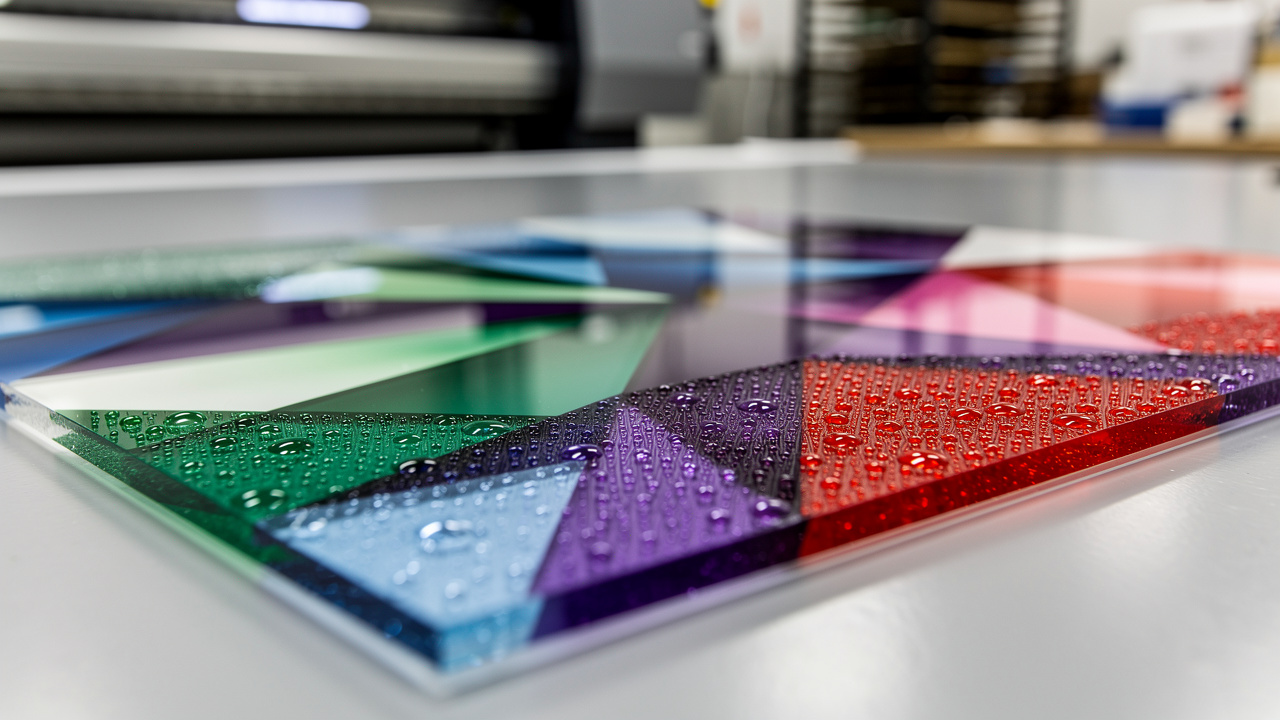
UV printed acrylic starts with an acrylic sheet, often called PMMA or Plexiglas — and a comprehensive guide on how to choose acrylic sheets covers key material grades, optical clarity, and thickness considerations relevant to signage applications. Industrial flatbed printers, like those from EFI or Mimaki, jet UV ink directly onto the panel, then cure that ink instantly with ultraviolet light. The ink hardens where it lands and locks into the surface, which gives sharp detail and strong resistance to scratches, moisture, and sunlight.
Acrylic can be clear, frosted, tinted, or opaque. Printers can also print on the back of clear acrylic, sometimes called second surface printing, so the ink sits behind the panel and looks like it floats under glass. According to FESPA, UV printing supports CMYK plus white and clear varnish layers, which helps brands handle transparent and dark materials in a controlled way.
Traditional sign boards cover a mix of older and newer methods, for example:
Vinyl graphics on aluminum composite panels (ACP)
Printed PVC foam sheets
Painted or printed MDF or wood panels
Screen printed metal plates
Backlit flex banners on light boxes along Sheikh Zayed Road
Each method uses films, paints, or inks that sit on top of the base material instead of locking into it.
In the UAE, many quick sign shops in Dubai, Sharjah, and Ajman still center their work on these methods. They suit price driven jobs and mass production, though they often trade away some lifespan, sharpness, or finish quality compared with UV printed acrylic.
How Do UV Printed Acrylic And Traditional Sign Boards Compare In Quality, Durability, And Design?
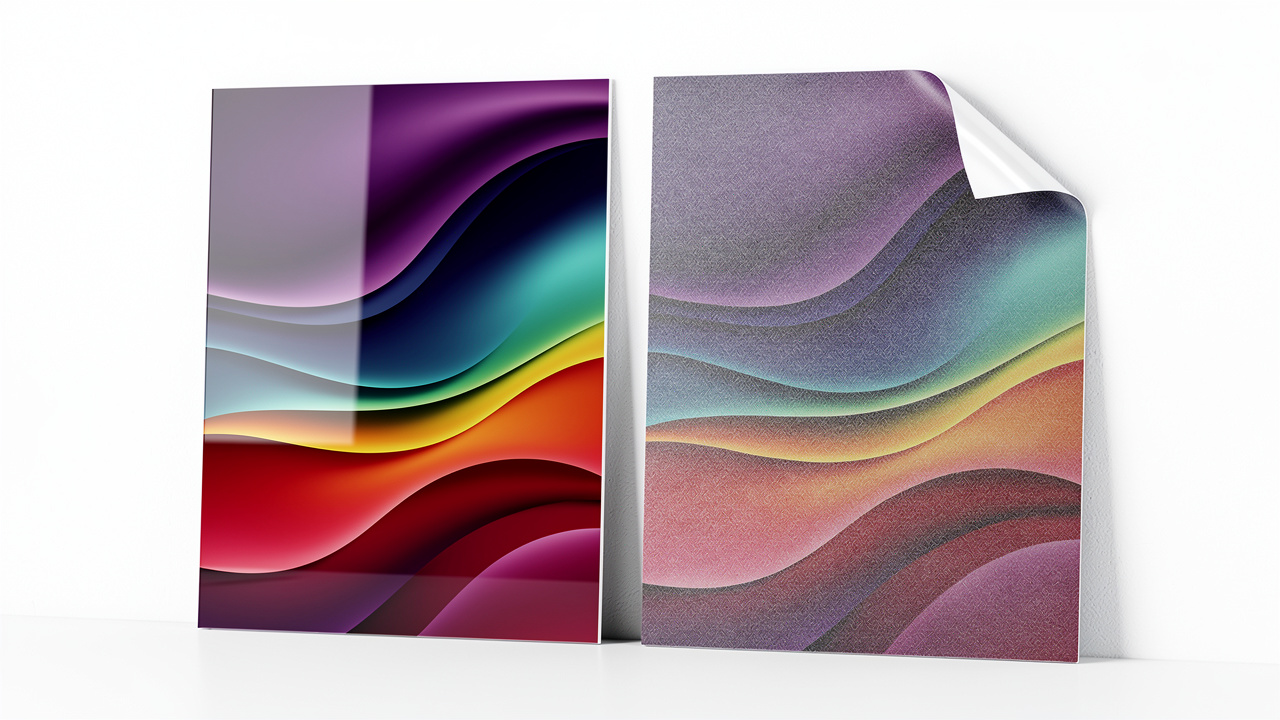
The comparison between UV printed acrylic vs traditional sign boards in quality, durability, and design goes far beyond surface appearance. These three areas decide whether signage supports a luxury brand or weakens it over time. They also decide how often teams must replace panels in the UAE climate.
On print quality, UV printed acrylic usually leads. Industrial UV printers can reach resolutions of 1440 dpi or higher, which allows clean gradients, tiny text, and photo level product images. The hard acrylic surface reflects light in a controlled way, so colors appear rich without grain. Research on ink density and color consistency, including a Comparative Print Quality Analysis of solvent and UV-based inks in flexographic printing, confirms that UV systems can match brand colors within tight tolerances when they follow proper color management.
Traditional sign boards rely heavily on vinyl prints or screen printing:
Vinyl prints can look good at first, yet they may show banding on large gradients and can stretch around panel edges.
Screen printing works well for bold, simple graphics with a few spot colors, yet it struggles with the subtle shading luxury brands often need.
Durability is where Dubai, Abu Dhabi, and Ras Al Khaimah weather make a big difference. UV cured ink bonds to acrylic and handles UV light, moisture, and cleaning chemicals much better than standard vinyl films. According to material data from Röhm, premium cast acrylic can last more than ten years indoors without clear yellowing and around five to seven years outdoors in hot regions — a performance profile supported by studies assessing FDM-printed thermoplastics for outdoor durability, which highlight how thermoplastic surfaces respond to prolonged environmental exposure.
Vinyl on aluminum composite or PVC foam breaks down faster under strong sunlight. Brands like 3M and Avery Dennison rate many cast vinyl films at three to five years outdoors in harsh climates, and that assumes correct installation. Cheaper monomeric vinyl can start peeling or shrinking within one to three years on hot facades or parking signs in Dubai.
Design flexibility adds another layer. UV printed acrylic accepts full color photos, white ink underlays on clear panels, and precise cut to shape outlines on CNC routers. That mix supports corporate wayfinding, backlit retail walls in Dubai Mall, and layered feature walls in DIFC offices. Traditional boards can be cut and painted, but each extra effect often adds time, cost, or technical limits.
“Design is the silent ambassador of your brand.”
— Paul Rand, Graphic Designer
For signage, that thought highlights why material choice and print method matter just as much as the logo itself.
UV Printed Acrylic Vs. Traditional Sign Boards A Side-By-Side Comparison
A direct comparison between UV printed acrylic and traditional sign boards helps design teams and procurement managers make fast, grounded choices. The table below turns the earlier points into a quick reference that suits project meetings and client pitches.
| Factor | UV Printed Acrylic | Traditional Sign Boards |
|---|---|---|
| Visual Quality | Photographic detail, smooth gradients, glass like finish | Good for simple graphics, weaker for fine images |
| UAE Climate Resistance | Handles heat, UV, and humidity with little change | Vinyl and PVC can peel, warp, or fade faster |
| Expected Service Life | Around 7–10 years indoors, 5–7 outdoors | Often 2–5 years outdoors before change is clear |
| Design Complexity | Supports complex art, white ink, and custom shapes with no color limit | Best for limited colors, standard shapes, simple layouts |
| Order Volume Flexibility | Works well for one off pieces and mixed sets | Most cost friendly at large identical runs |
| Brand Standard Tier | Fits premium, luxury, and corporate spaces | Fits budget, temporary, or industrial needs |
“Color is a critical part of brand recognition, with studies showing it can increase recall by up to eighty percent.”
— Loyola University Maryland, Marketing Department
For corporate interiors across Dubai Marina, Business Bay, and Abu Dhabi Corniche, that level of visual control matters. Designers working with Pantone based guidelines often see UV printed acrylic as the safer path when every sign must match the wider identity.
“Design is not just what it looks like and feels like. Design is how it works.”
— Steve Jobs, Co‑founder at Apple
Applied to signage, that quote points straight at the need for both good looks and reliable performance, an area where UV printed acrylic usually stays strong.
Do UV Printed Acrylic Signs Offer Better Long-Term Value Than Traditional Boards?
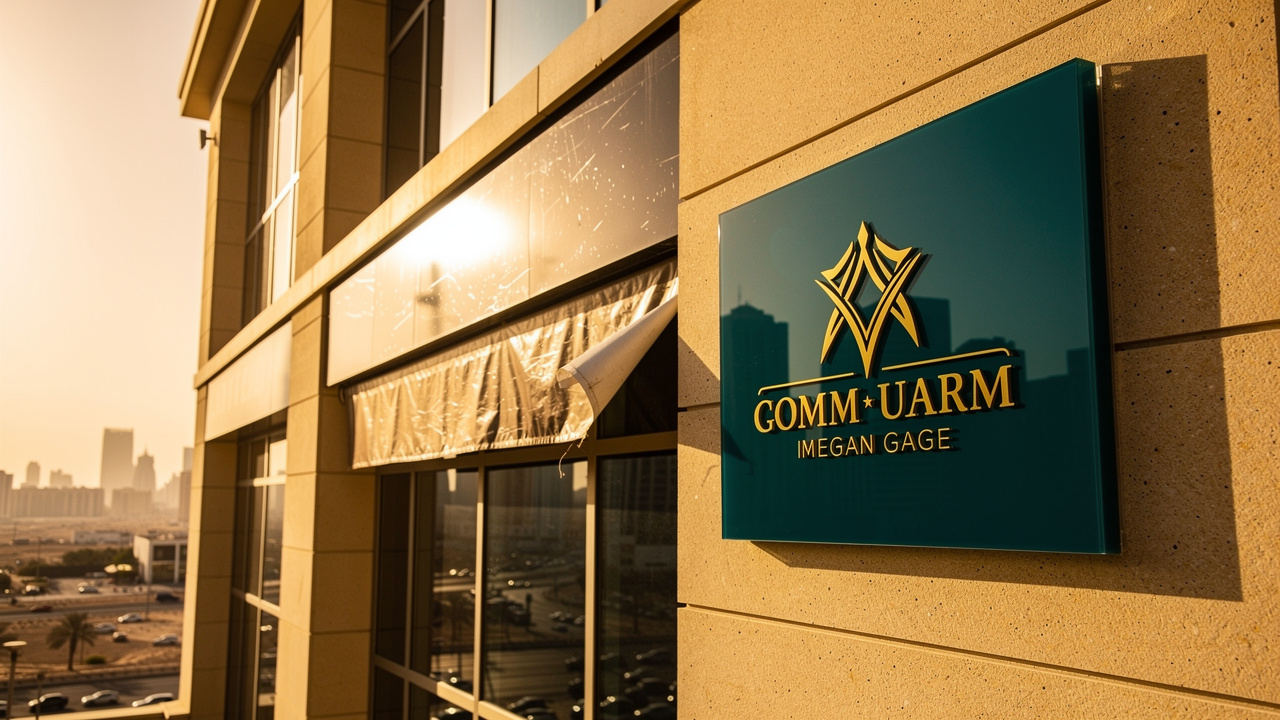
UV printed acrylic signs often deliver better long term value than traditional boards when lifespan, replacement cycles, and brand impact enter the picture. Initial square meter prices may favor low cost PVC or vinyl boards, yet that narrow view hides important downstream costs. A life cycle view gives a clearer answer for serious branding work.
Traditional sign boards usually come with lower material and production cost at the start. Foam PVC sheets printed with vinyl or direct inkjet work well for short events, mall promotions, or price driven campaigns. For a brand manager with a limited event budget, that can feel like the safe route.
The story shifts when panels stay in place for years. Vinyl layers on ACP can crack or peel, and printed PVC can warp in sun exposed car parks from Dubai to Al Ain. Each replacement means new prints, installation crews, access equipment, and possible downtime. According to a cost comparison by FESPA, installation labor can account for more than forty percent of sign budgets on multi site projects, which turns frequent change outs into a real expense.
UV printed acrylic commands a higher upfront fee, yet it tends to stay on the wall far longer with minimal change in color or gloss. That means fewer site visits and lower risk of mismatched hues if a single panel needs replacement in a large wayfinding set. Over five to ten years, the quieter maintenance schedule often balances or beats the cheaper start price of traditional boards.
Sustainability also links to value, especially for companies aiming at LEED or Estidama goals. UV inks contain little to no solvents, so VOC emissions drop compared with many conventional print systems — a quality advantage further documented in a Comparative Print Quality Analysis of solvent and UV-based inks, which also notes the environmental and performance benefits of UV-cured formulations. Long life acrylic panels reduce waste compared with short lived PVC foam and flex banners that head to landfill after a season.
For quick internal discussions, it helps to compare:
Upfront cost: Traditional boards usually cheaper per square meter.
Replacement frequency: UV printed acrylic needs far fewer change outs.
Installation trips: Fewer site visits cut labor, permits, and logistics.
Brand impact: Higher clarity and color stability support premium positioning.
Which Signage Solution Is Right For Your Project?
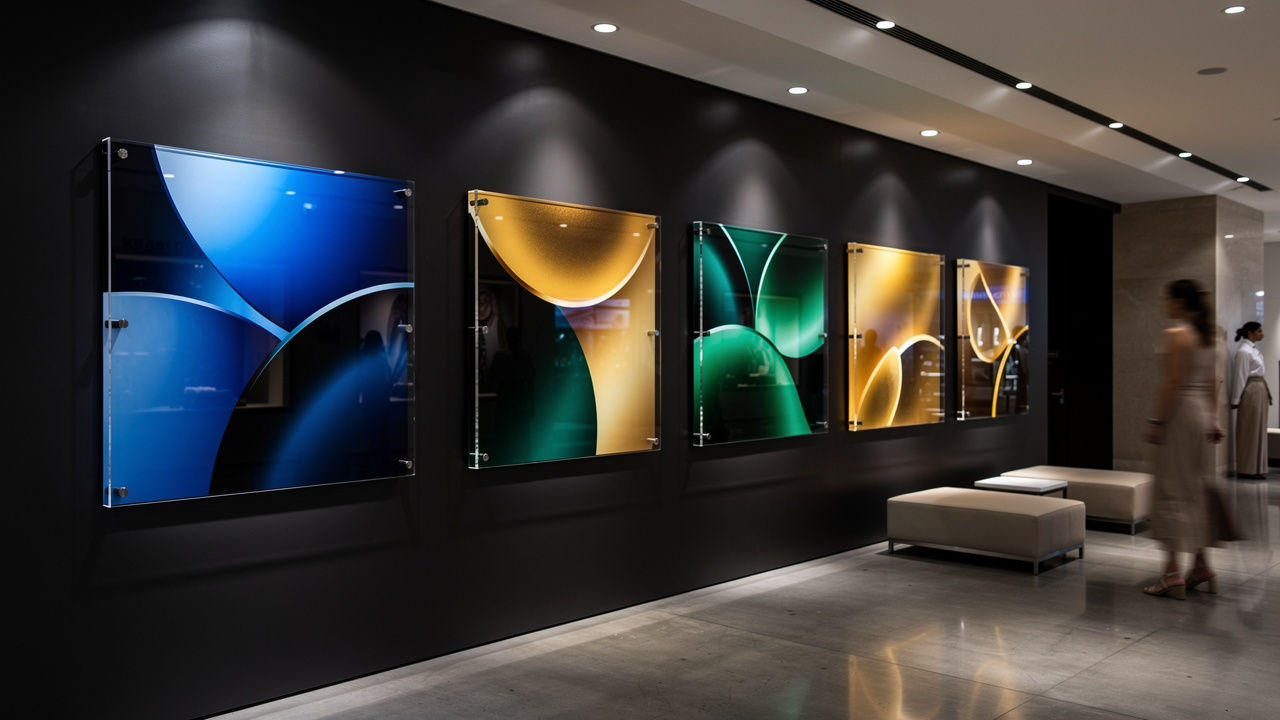
Choosing between UV printed acrylic vs traditional sign boards for a project depends on context, not just technology. The best option comes from matching brand standards, location, expected lifespan, and budget. When those pieces line up, the decision becomes much clearer.
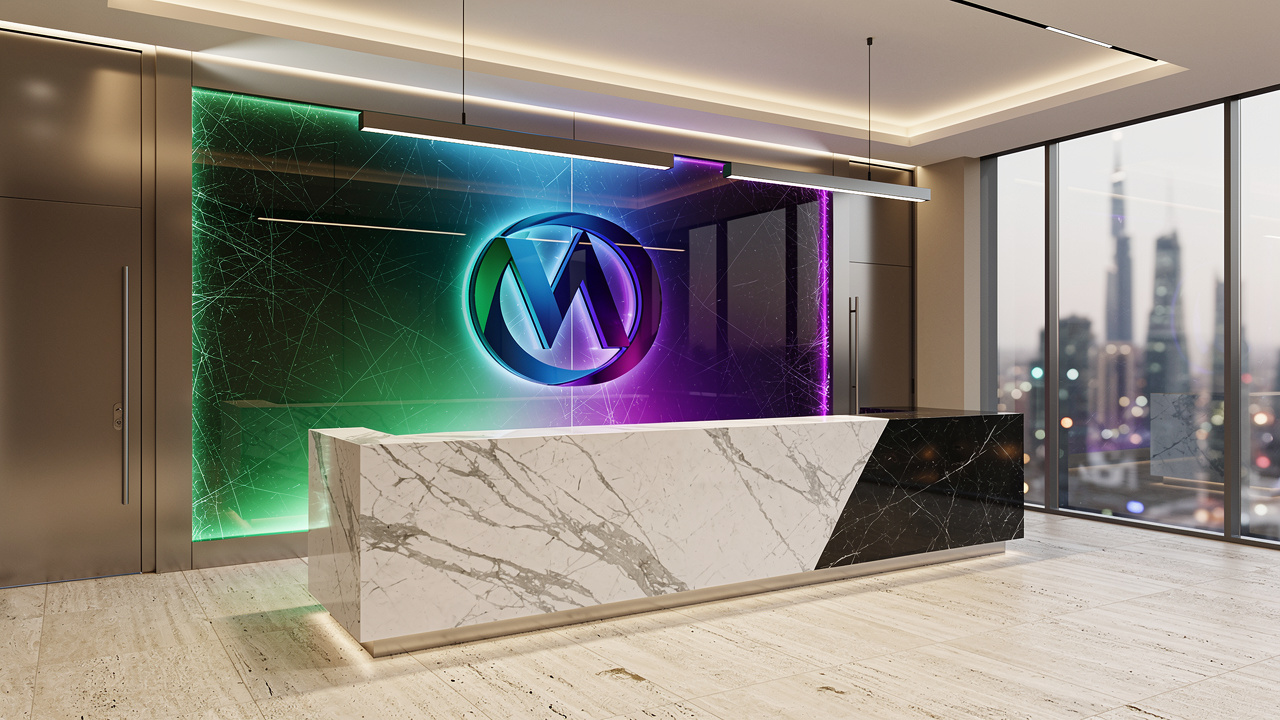
UV printed acrylic fits best where brand image and finish quality sit at the top of the brief. Corporate reception panels in DIFC towers, glass like logo signs behind hotel front desks, and branded acoustic panels in open offices all gain from the depth and clarity acrylic offers. High end boutiques in Dubai Mall and hospitality venues on Palm Jumeirah often rely on this look to support premium positioning, a trend reinforced by research on the assessing FDM-printed thermoplastics for durability and visual performance in high-traffic public environments.
Traditional sign boards still have a clear role across the UAE. Construction hoardings around new towers in Downtown Dubai, temporary event signs at Expo City, and safety signs in warehouses in Jebel Ali Free Zone seldom need glass like finishes. In those use cases, fast production and low replacement cost matter more than polish.
For quick reference, think about these typical fits:
UV printed acrylic suits permanent interior wayfinding, reception logos, feature walls, retail display panels, illuminated menu boards, exhibition backdrops, and branded trophies. These items usually stay in place for years and sit close to customers, so sharp detail and sturdy surfaces matter.
Traditional sign boards work well for short term sales campaigns, outdoor hoardings along new project sites, basic parking or safety guidance, and cost sensitive pop up kiosks. These pieces often have a clear end date or sit in rough environments where impact and frequent change are expected.
A simple checklist can help teams choose:
Where will the sign live? Indoor, semi outdoor, or full outdoor?
How long should it last? Months, a few years, or a decade?
How close will people stand? Arm’s length viewing favors acrylic.
How sensitive is the brand? Premium brands gain more from better print.
What is the real budget? Include installation and replacement, not only print.
Dubai based teams often find that a mixed approach makes sense. They might use traditional boards for short lived campaign layers, while keeping core brand elements on UV printed acrylic from Waseem Printing Services so the main identity always looks consistent and well finished.
How Waseem Printing Services Delivers Premium UV Printed Acrylic Signage In The UAE
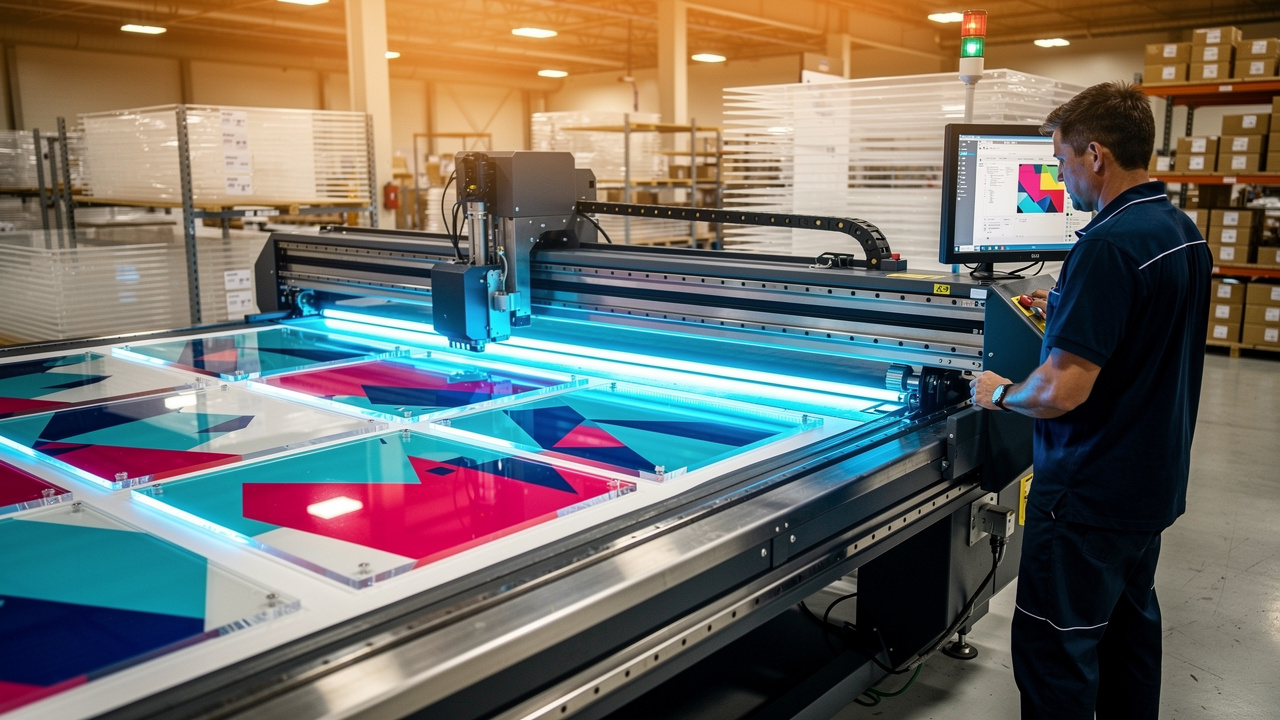
Waseem Printing Services supports the move from traditional sign boards to UV printed acrylic by pairing advanced hardware with a service model built around corporate and retail clients. The company uses industrial flatbed UV printers that handle acrylic, glass, wood, MDF, and acoustic panels at high resolution. That range helps designers keep one visual language across reception walls, meeting rooms, and retail fixtures.
Color control sits at the center of Waseem Printing Services work. Using professional RIP software and Pantone based workflows, the team matches brand colors across repeated runs and different materials. For multi branch retailers or hotel groups across Dubai, Abu Dhabi, and Riyadh, that repeatable color is key for signage, POS displays, and in room information.
Waseem Printing Services also reduces the need for multiple vendors for design, print, cutting, and delivery. The same team supports concept review, material choice, UV printing, CNC cutting, edge polishing, and final packing for safe transport. According to many print buyers quoted by FESPA, reducing vendor count can shorten lead times and cut communication errors on complex projects.
Because Waseem Printing Services works with both local UAE firms and international brands, the team understands export packing needs and remote approvals. That experience makes it easier for architects in London or Singapore to specify UV printed acrylic for Dubai projects, while still relying on on the ground production and delivery from a specialist provider.
Wrapping Up
Between UV printed acrylic vs traditional sign boards, UV printed acrylic usually stands out as the better long term choice for premium, permanent, and brand heavy spaces in the UAE. Traditional boards still carry value for short term, high volume, and purely functional signage where cost and speed matter more than finish.
The right answer for any project depends on how long the signs must last, what kind of environment they face, and how closely they must reflect a refined brand. For corporate interiors, high end retail, hospitality, and exhibitions, UV printed acrylic from Waseem Printing Services offers a strong mix of image quality, durability, and predictable cost over time. When that mix matters, a short discussion with their team can turn early sketches into practical, production ready panels.
Frequently Asked Questions
Question: How long do UV printed acrylic signs last compared to traditional vinyl sign boards?
Answer: UV printed acrylic signs typically last around 7 to 10 years indoors and 5 to 7 years outdoors in UAE conditions. Vinyl based sign boards often need replacement after 1 to 3 years for low grade films and 3 to 5 years for premium films. The UV cured ink bond gives acrylic a clear edge.
Question: Is UV printed acrylic more expensive than traditional sign boards?
Answer: UV printed acrylic usually costs more per piece at the start than many traditional boards. Over the full lifespan, it often works out cheaper per year because it needs fewer replacements and less maintenance. For high quality branding, UV printing on acrylic is also one of the few methods that meets strict visual standards.
Question: Can UV printed acrylic be used outdoors in Dubai’s climate?
Answer: Yes, UV printed acrylic performs well outdoors when it uses cast acrylic and quality UV cured inks. It handles high temperatures, strong sun, and coastal humidity better than foam PVC, vinyl wrapped ACP, or flex banners. Typical outdoor service life for well made panels is around 5 to 7 years.
Question: What types of businesses benefit most from UV printed acrylic signage?
Answer: Corporate offices, luxury retailers, hotels, restaurants, and exhibition brands gain the most from UV printed acrylic signage. These businesses rely on accurate colors, premium finishes, and long life panels for reception walls, wayfinding, menu boards, and displays. The approach suits Dubai’s high specification commercial and hospitality sectors.
Question: Does Waseem Printing Services handle the full production process for UV printed acrylic signs?
Answer: Yes, Waseem Printing Services manages design review, UV printing, custom sizing, color matching, cutting, finishing, and delivery for UV printed acrylic signs. This single source model reduces coordination effort for corporate, retail, hospitality, and exhibition clients in Dubai and abroad, while keeping quality and timing under one accountable team.