Article Introduction
Glass in commercial interiors often sits unused as a branding and design asset, even though clients pay for every square meter of that surface. That leaves a lot of visual space doing little more than separating rooms.
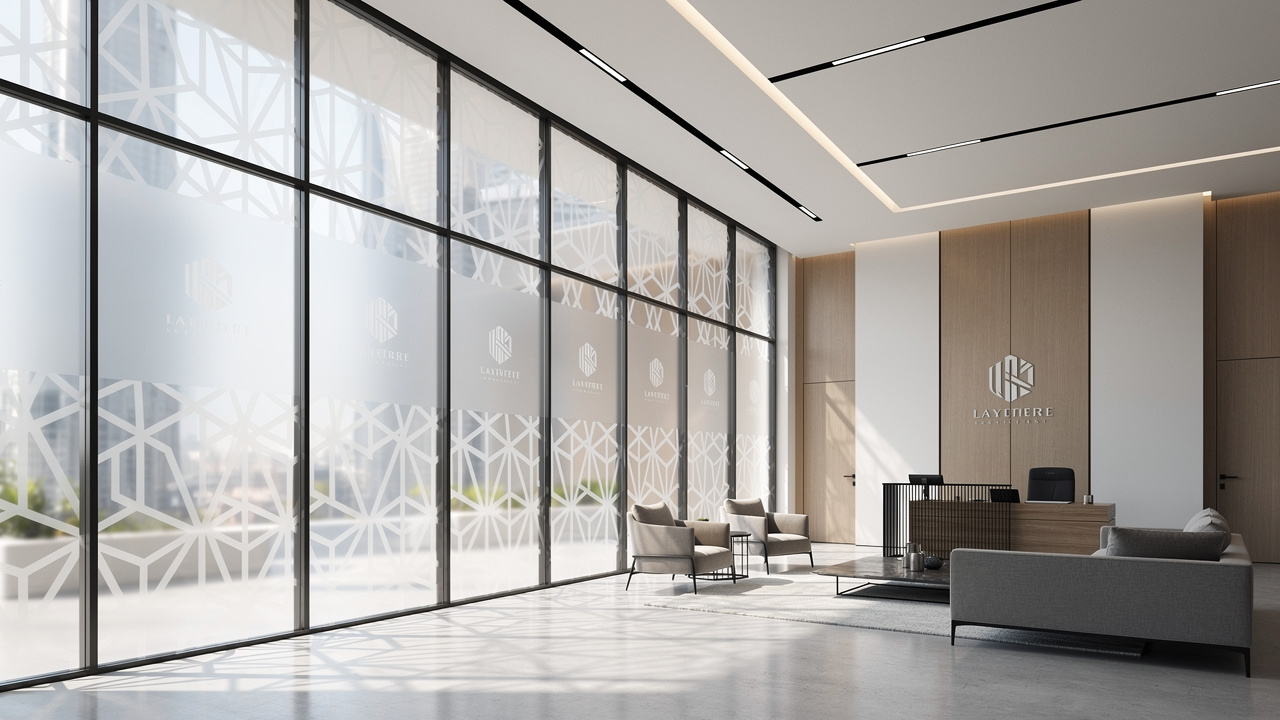
Custom glass printing for commercial spaces turns clear panels into high‑impact messaging, privacy, and wayfinding surfaces without blocking natural light. By printing graphics, patterns, and logos directly on glass, brands create interiors that feel consistent from reception to meeting rooms and retail displays. This guide walks through applications, technologies, design choices, and how Waseem Printing Services supports demanding UAE projects from concept to installation.
Keep reading to see how printed glass can lift office, retail, hospitality, and event spaces across Dubai and beyond.
Key Takeaways
Busy commercial teams can scan a few points and quickly see if custom glass printing fits their next project. The details below highlight the most useful ideas.
UV printing on glass delivers durable, high‑resolution results that cope with busy lobbies, corridors, and retail floors while keeping colors sharp for years.
Offices, retail, hospitality venues, and exhibitions all benefit from printed glass that blends privacy, branding, and wayfinding in a single surface.
Glass type, tint, and light conditions influence color, so physical proofs on the real substrate help avoid surprises on site.
What Is Custom Glass Printing and Why Does It Matter in Commercial Design?
Custom glass printing in commercial design means applying high‑resolution graphics, logos, frosted effects, and patterns to glass with UV inks, ceramic pigments, or printed films. In UAE offices, malls, hotels, and event venues, this turns plain partitions and facades into branded architectural features. The glass still carries light, but it now also carries identity.
For commercial interiors, printed glass gives project teams a simple way to add privacy bands, artwork, and manifestation markings that match brand guidelines instead of generic dots and stripes. Different teams use it in slightly different ways:
Corporate interior designers and architects add privacy strips, department markers, and wayfinding graphics to partitions and meeting rooms.
Retail and hospitality teams use it on storefronts, feature walls, bar fronts, and spa glazing to extend brand character into every area guests see.
Brand managers and marketing teams carry campaigns across exhibition stands, showrooms, and product showcases without constantly changing materials.
Consistent environmental branding has clear business value. Research from Lucidpress reports that consistent brand presentation can raise revenue by up to 23 percent, and broader research on Decoupling economic growth and CO2 emissions highlights how sustainable, well-designed commercial environments contribute positively to both business performance and environmental responsibility. When every glass surface, from reception walls to meeting rooms, repeats the same visual language, visitors feel that consistency from the first step inside. Waseem Printing Services supports this with color‑managed UV printing on glass for projects across Dubai, Abu Dhabi, and international locations.
As branding expert Marty Neumeier writes in The Brand Gap, “A brand is not what you say it is; it’s what they say it is.” Printed glass helps align what people see on site with the story your brand wants to tell.
Which Technologies Power Commercial Glass Printing?
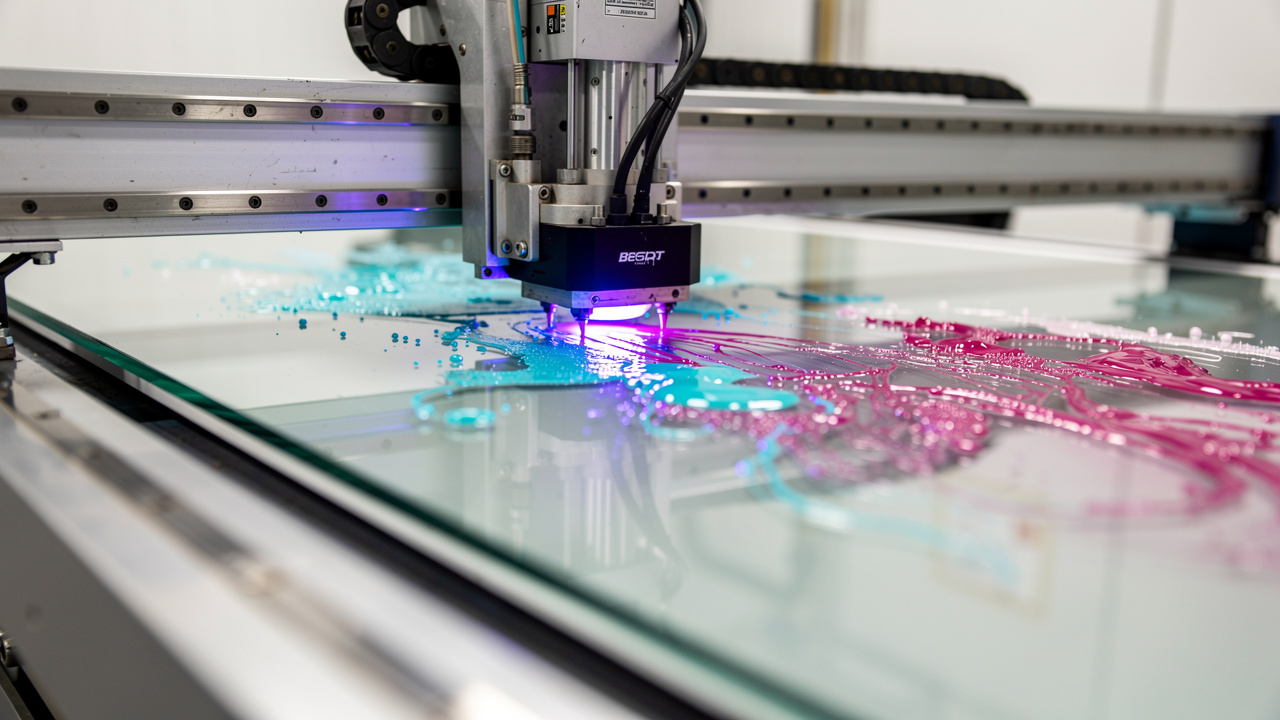
Commercial glass printing relies on three main technologies that suit different durability levels and budgets. UV flatbed printing, ceramic frit printing, and digital window film each serve specific roles in UAE commercial spaces. Choosing the right one at the start keeps projects on schedule and reduces rework.
UV flatbed printing is the go‑to method for direct‑to‑glass interior applications. Industrial printers cure UV ink instantly on the glass surface, giving crisp text, gradients, and photographic images at resolutions above 1440 DPI. White ink layers help control opacity on clear glass, so designers can choose between solid blocks, soft frosts, or fully backlit panels. Waseem Printing Services uses large‑format flatbed systems that print directly onto tempered, laminated, and mirrored glass without extra laminates.
Ceramic frit printing uses enamel pigments that fuse into the glass during toughening. The print becomes part of the glass, not a layer on top. This method suits exterior facades, balustrades, and structural glazing where long‑term weather resistance matters. While Waseem Printing Services focuses on UV direct printing and films, the team often coordinates artwork specifications with facade contractors who supply ceramic frit for curtain walls, so visual language stays consistent from outside to inside.
Digital window film and vinyl offer maximum flexibility, especially in leased offices and fast‑moving retail. Films can mimic frosted glass, full‑color panels, or one‑way vision graphics, and they can be removed at lease end without damaging the base glass; innovations such as Design of Alternatives to traditional stained glass via distributed additive manufacturing demonstrate the expanding creative and economic possibilities of modern glass surface treatments. According to the U.S. Department of Energy, heat gain and loss through windows can account for up to 30 percent of a building’s heating and cooling energy use, so solar control films also help reduce cooling loads in UAE towers.
| Technology | Best Use Case | Durability Level | Reversible |
|---|---|---|---|
| UV flatbed printing | Interior panels and branded partitions | High for interior use | No |
| Ceramic frit printing | Exterior facades and structural glass | Very high for all weather | No |
| Digital film and vinyl | Leased fitouts and temporary campaigns | Medium, depends on film type | Yes |
Waseem Printing Services recommends: “When comparing technologies, always request printed samples on glass offcuts so you can judge sharpness, color, and opacity under real lighting conditions.”
Where Is Custom Glass Printing Applied Across UAE Commercial Spaces?
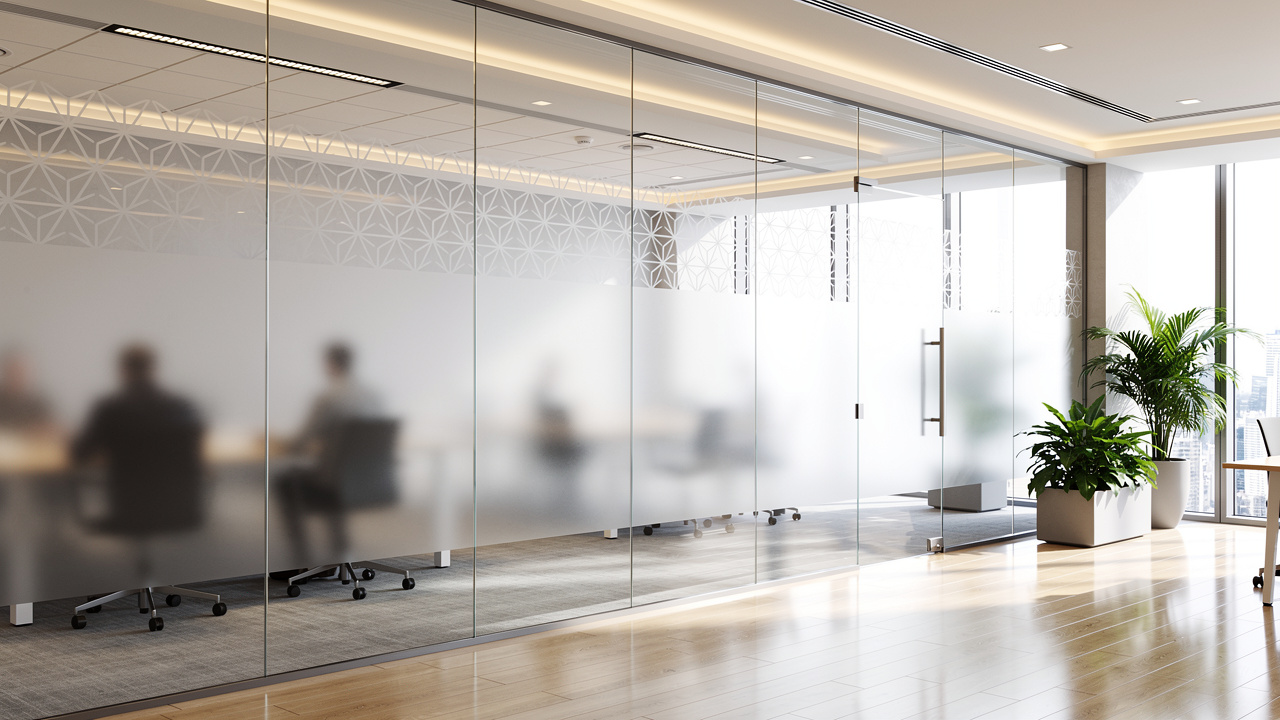
Custom glass printing across UAE commercial spaces appears anywhere brands want light, privacy, and graphics in the same plane. From DIFC offices to Dubai Mall storefronts and hotel lobbies on Palm Jumeirah, printed glass has become a standard material choice rather than a novelty.
Corporate offices and workplaces use printed glass for reception walls, meeting room fronts, and open‑plan partitions. Logos, patterns, and manifestation dots turn safety markings required by standards such as BS 6206 into brand assets instead of plain decals. Environmental branding research from Gensler links well‑designed workplaces with higher employee engagement, which explains why more Dubai and Abu Dhabi firms invest in custom branded glass. Waseem Printing Services often works alongside interior design firms during fitout planning to align every panel with wayfinding and privacy needs.
Retail and hospitality environments rely on glass as the first point of contact with the public. Storefront windows, display cases, restaurant dividers, and spa screens all gain personality when printed with campaign artwork, calligraphy, or subtle patterns. In high‑end malls such as The Dubai Mall and Mall of the Emirates, glass prints help brands stand out from neighbors without blocking views into the store. Hotels and restaurants use backlit printed glass behind reception desks and bars to create memorable focal points that photograph well for social media and review platforms.
Exhibitions and corporate events add another layer of demand. At Dubai World Trade Centre and Abu Dhabi National Exhibition Centre, stands that use printed glass panels or acrylic glazing often appear more premium than those relying only on fabric or foam board. Marketing teams can reuse glass podium tops, signage, or awards in showrooms after each event, stretching the investment across channels. Waseem Printing Services supplies UV‑printed glass elements for stands, reception counters, and award pieces that match the rest of a client’s commercial glass program.
To summarize common applications, designers frequently specify printed glass for:
Reception and lobby feature walls
Meeting room fronts and privacy bands
Open‑plan office partitions and collaboration zones
Storefront glazing and display cases
Restaurant, bar, and spa dividers
Exhibition stands, podiums, and awards
What Design Considerations Ensure the Best Results From Custom Glass Printing?
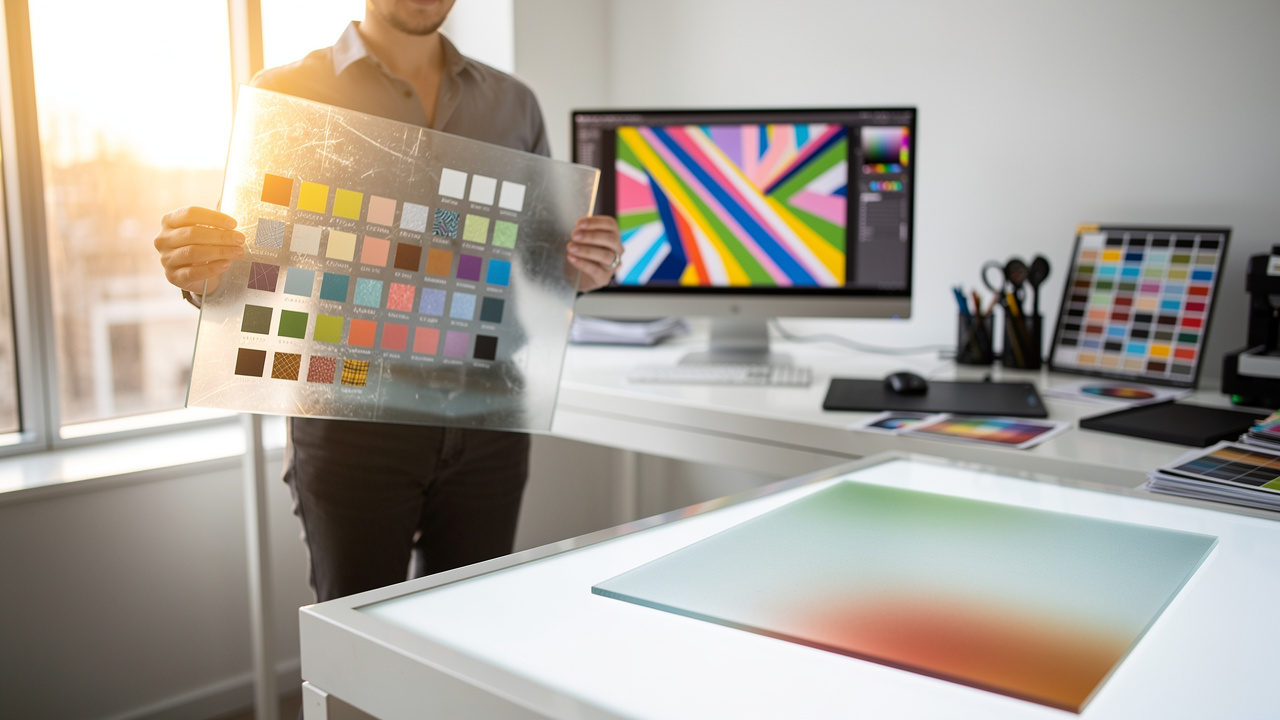
Design considerations for custom glass printing decide whether finished panels feel refined or improvised. Artwork resolution, file setup, and color planning all matter long before printing starts. Clear communication at the brief stage saves time for both designers and print providers.
For UV direct printing, the following guidelines help keep artwork production‑ready:
Resolution: Supply artwork at 100–150 DPI at final size for large panels viewed at a distance. For close‑up panels, go higher where possible.
Vector elements: Logos, icons, and geometric patterns work best as vector files such as AI, EPS, or PDF so they stay crisp at any scale.
Bleeds and safe zones: Include bleeds past the glass edge and keep text, logos, and key details away from hardware, channels, and frames.
Fonts: Convert fonts to outlines to avoid missing font issues at the print stage.
Waseem Printing Services supports agencies and design studios with preflight checks that flag technical issues before production, reducing the risk of last‑minute edits on live deadlines.
Color management on glass is more complex than on paper. Standard clear glass carries a slight green tint, while low‑iron glass looks more neutral, and tinted glass such as bronze or gray alters color further. White ink layers under full‑color prints can neutralize the glass but also change light transmission. For brand‑critical Pantone or RAL shades, nothing replaces physical proof prints on the chosen glass type.
According to the World Green Building Council, buildings are responsible for about 39 percent of energy‑related carbon emissions, and studies on Dynamic Impacts of Economic growth and energy use in the UAE confirm that sustainability-driven design decisions are increasingly central, so many UAE clients now pair color decisions with daylight and solar control goals as part of wider sustainability plans. That often means balancing:
Brand color accuracy
Glare control for occupants
Solar gain and cooling loads
Night‑time visibility from outside
As many sustainability consultants advise, “Think of glass as both a design canvas and a performance element—color, opacity, and coatings should support comfort as well as visuals.”
Privacy, Light Control, and Print Coverage
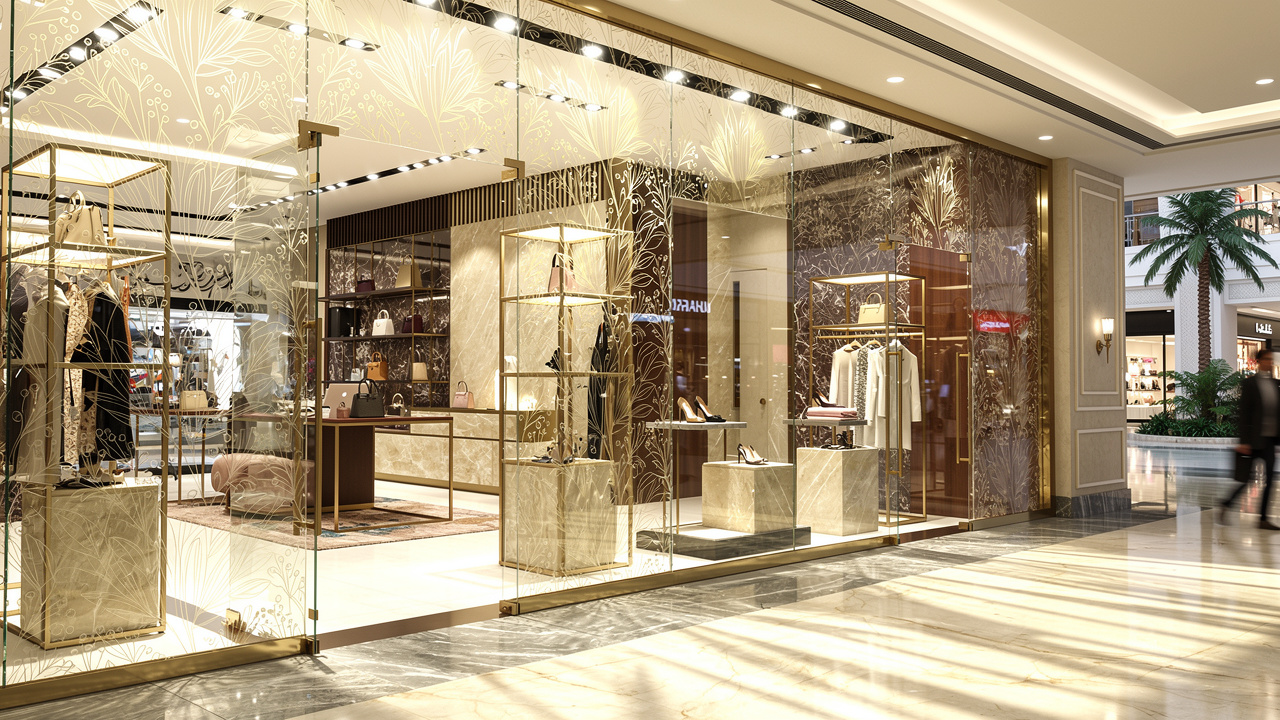
Privacy, light control, and print coverage in glass printing all link to how much of the surface carries ink and how dense that ink is. Getting this balance right keeps spaces bright while still feeling comfortable and secure.
Light privacy can be tuned by coverage percentage:
Around 20% coverage with small dots or lines softens visibility without blocking views, which works well for open collaboration zones or informal meeting spaces.
Between 60% and 80% coverage adds real privacy for meeting rooms, HR areas, and wellness spaces while still letting daylight pass through.
100% opaque coverage behaves like a wall, best for focus rooms, storage areas, or back‑of‑house spaces where views are not needed.
Waseem Printing Services helps clients model coverage on samples and often pairs printed designs with acoustic glazing systems so one glass element handles branding, sound control, and visual comfort at once. By testing a few coverage options, design teams can quickly see how patterns look from both sides of the glass and at different times of day.
How Do You Choose the Right Commercial Glass Printing Partner in the UAE?
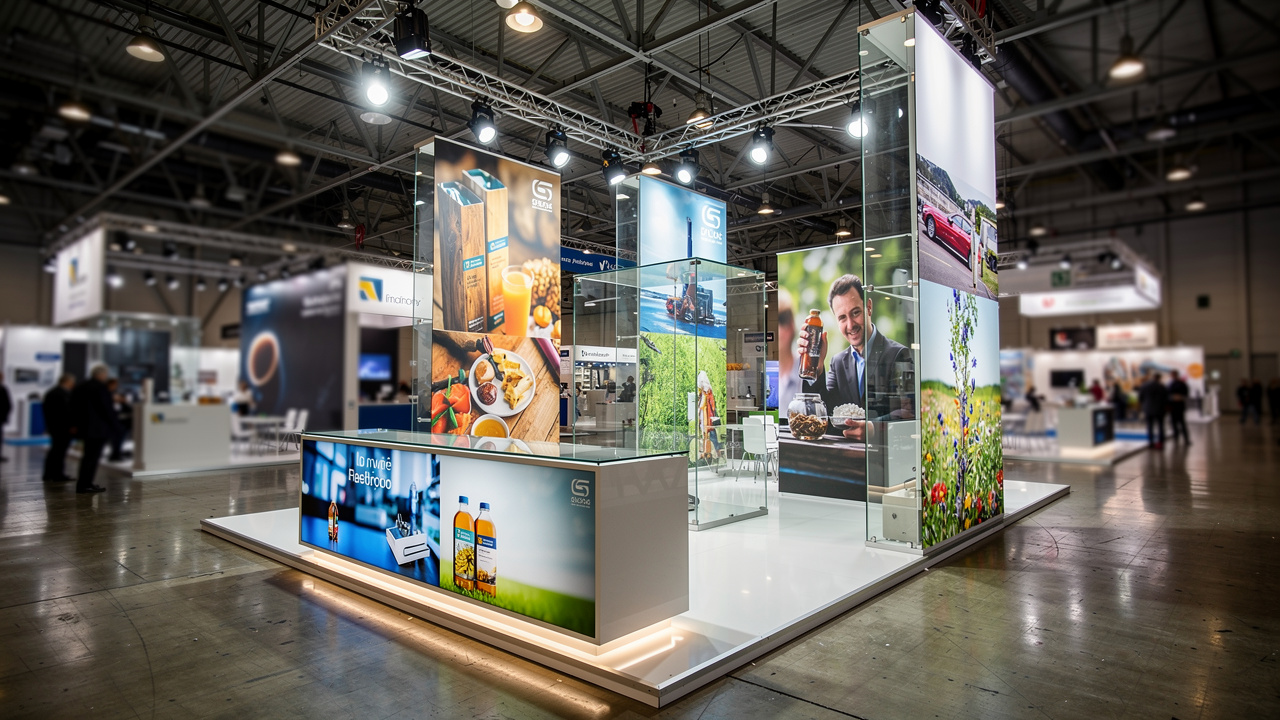
Choosing a commercial glass printing partner in the UAE means looking beyond price lists and checking technical depth, project support, and local experience. The right partner guides you toward the best mix of UV printing, films, and glass types for each zone rather than simply accepting any file that arrives by email.
Technical capability comes first. A serious provider runs industrial UV flatbed printers that handle large architectural panels without banding or color shifts across batches. They should understand how different glass treatments, such as tempering or lamination, affect print order and adhesion. Waseem Printing Services invests in high‑end flatbed equipment and production control so multi‑panel walls match from one end of a corridor to the other.
End‑to‑end workflow also matters. Strong partners offer:
Design consultation to discuss graphics, privacy needs, and brand alignment
Substrate advice on glass types, thicknesses, and film options for each area
Material sampling and color matching before the main production run
Coordination with fitout contractors and glaziers for measurements, fixings, and access
Professional film selection for window graphics, using cast films from manufacturers such as 3M and Avery Dennison, with clear guidance on realistic lifespans
For film‑based work, quality cast vinyl with UV‑resistant laminates often delivers five to seven years of performance outside, according to guidance from 3M. Waseem Printing Services brings this full‑cycle approach to projects in Dubai, across the UAE, and for international clients who need a single, reliable point of contact.
Finally, local codes and sustainability goals should sit within the partner’s skill set. Teams familiar with UAE safety and manifestation rules help avoid compliance issues late in the fitout. Knowledge of LEED and Estidama targets allows them to suggest glass and film combinations that support thermal comfort, glare control, and energy performance alongside branding — goals also underscored by research on Decarbonizing the Cement Industry: and broader UAE built environment, which illustrates how material choices in construction increasingly serve both aesthetic and emissions-reduction objectives.
A good rule of thumb: “If your printer can discuss regulations, substrates, and installation with equal confidence, you’re more likely to get glass graphics that look good and perform well for years.”
Wrapping Up
Custom glass printing for commercial spaces has moved from a nice extra to a main component of commercial interiors across the UAE. Offices, retail stores, hotels, and exhibition stands now treat glass as a carrier for branding, privacy, and light all at once.
Project success rests on three pillars:
Selecting the right technology for each location, from UV direct prints to removable films.
Preparing precise design files, including artwork resolution, color testing, and coverage planning.
Partnering with a printing provider that understands both technical details and commercial project pressures.
Waseem Printing Services brings those pillars together with industrial UV systems, multi‑surface expertise, and a complete workflow that supports designers, architects, and brand managers. For upcoming projects in Dubai, across the UAE, or abroad, their team can help turn standard glass into a consistent branded experience from reception to back‑of‑house.
Frequently Asked Questions
Question: How long does custom UV printed glass last in a commercial environment?
UV printed glass in interior commercial spaces normally maintains appearance for ten years or more under regular use. The cured inks resist scratching, moisture, and everyday cleaning. For exterior use, projects need certified UV‑resistant inks and careful glass selection, or ceramic frit for very long life.
Question: Can custom glass printing be applied to already tempered or safety glass?
Yes, UV direct printing and film applications both work on already tempered safety glass. Ceramic frit instead goes on the glass before the tempering stage, so the print fuses during toughening. Designers should always confirm glass makeup with the printing provider early in the brief.
Question: What file formats and artwork specifications are required for commercial glass printing?
Vector files such as AI, EPS, or PDF suit logos and geometric shapes best. Photographic imagery should sit at 100 to 150 DPI at final size for UV printing. All fonts need conversion to outlines, and artwork should include bleeds beyond panel edges to avoid visible gaps.
Question: Is custom glass printing suitable for exterior commercial applications in the UAE climate?
Yes, as long as materials match exposure levels. Ceramic frit is preferred for facades, balustrades, and structural glazing exposed to constant sun and sand. For films on external glass, professional cast vinyl with UV‑resistant laminates can give about five to seven years of performance in UAE conditions.
Question: Can Waseem Printing Services handle large format or multi panel commercial glass printing projects?
Waseem Printing Services is set up for large and complex glass programs. Industrial flatbed UV printers accept custom‑sized panels and keep color consistent across multi‑panel runs. The team manages design checks, production, and delivery, supporting projects across the UAE and for international clients.