Introduction
Exhibition halls at Dubai World Trade Centre and Abu Dhabi National Exhibition Centre are filled with bright booths fighting for attention. When every neighbor uses LED walls and huge graphics, flat posters and sagging fabric backdrops lose impact fast.
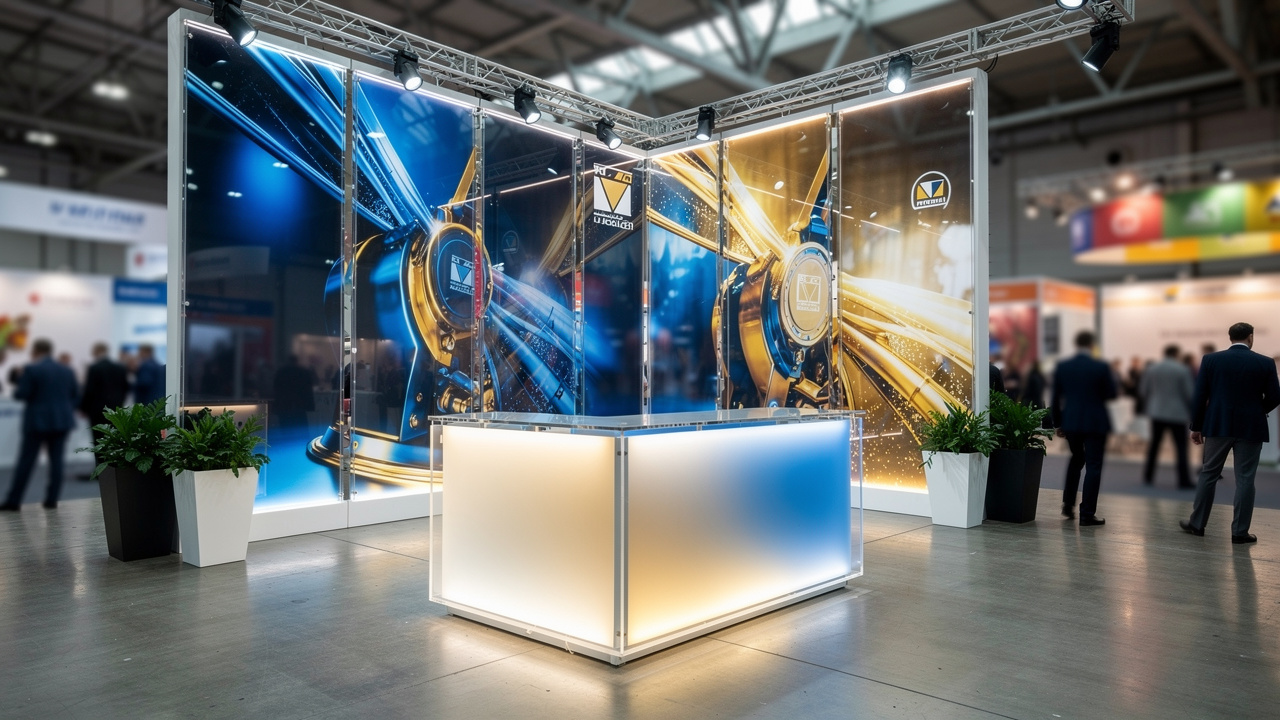
Acrylic display systems give exhibitors a sharp, glass‑like look without the weight or risk of real glass. An acrylic display uses clear or colored acrylic panels printed with high‑resolution graphics to build walls, counters, and product stands for exhibitions and trade shows.
This article explains why acrylic works so well, which display types fit different booths, how UV printing improves quality, and how Waseem Printing Services supports exhibition teams in the UAE.
Key Takeaways
These quick points show how acrylic displays support strong exhibition results. Keep them in mind while you read, as they summarize the main value areas.
Acrylic handles strong hall lighting well, so colors stay true and booths look bright.
Acrylic is light but tough, so staff move panels quickly and reuse across events stays realistic.
UV printing gives sharp detail, so photos and logos stay crisp while panels remain easy to clean.
Waseem Printing Services focuses on UV work on acrylic, knows UAE venues well, and helps keep orders on schedule.
Why Acrylic Displays Are the Standard Choice for Trade Shows
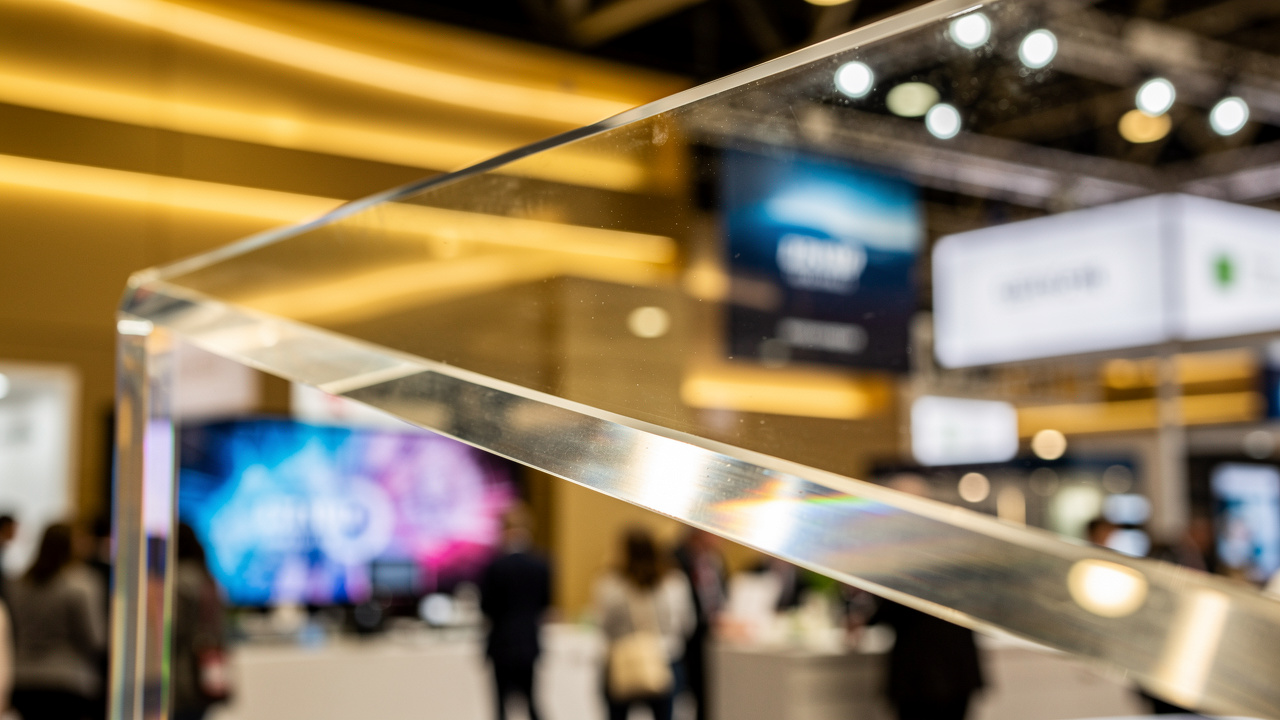
Acrylic displays are the standard choice for trade shows because they combine glass‑level clarity with low weight and strong durability. Exhibitors in Dubai, Abu Dhabi, and Sharjah depend on acrylic panels and stands to keep booths bright, safe, and simple to move between events. Compared with flimsy roll‑up banners, solid acrylic structures feel more permanent and trustworthy.
According to Röhm, cast acrylic can transmit around 92 percent of visible light, close to optical glass, a performance validated by research into Visible Light Transmittance Optimization across multi-layer glass structures. That clarity keeps brand colors accurate under intense spotlights in venues such as Dubai World Trade Centre and Expo City Dubai. At the same time, acrylic is roughly half the weight of glass, so rigging teams handle large panels with less strain. Glare‑control films or diffusers can also be added without losing the clear, refined look visitors expect from leading brands.
Impact resistance matters on busy show floors. Research from Tap Plastics notes that acrylic can be 10 to 17 times more impact resistant than standard glass, which lowers the risk of cracks during transport or installation. That resilience is vital at large events where staff from many suppliers share the same storage and loading docks. When acrylic displays survive multiple events, marketing budgets stretch further and waste drops compared with single‑use banner or cardboard graphics, a dynamic supported by studies such as A Study on Evaluating the impact of trade fairs on lead generation and ROI.
Trade shows remain important sales channels, with around 81 percent of attendees having buying authority according to CEIR. For brand managers, that means booth hardware must look premium every day of a multi‑day event. Longer‑lasting hardware reduces the number of urgent reprints between shows for teams at companies such as Emirates or Etisalat. Reusable acrylic display systems support that goal while aligning with growing sustainability expectations among corporate exhibitors in the UAE.
To see how acrylic compares with other common materials, consider this quick overview:
| Material | Visual Appearance Under Hall Lighting | Weight & Handling | Typical Trade Show Use |
|---|---|---|---|
| Acrylic Panels | Very clear, accurate color, can be backlit | Light, easy for crews to move | Back walls, counters, product stands |
| Glass | Very clear but heavy, higher breakage risk | Heavy, needs more safety procedures | Small display cases in limited situations |
| PVC / Foam Boards | Decent print quality, can look flat under strong lighting | Light, but can dent or bend | Temporary signage, short‑term campaigns |
| Roll‑Up Banners | Portable but narrow and creased over time | Very light, quick to set up | Budget displays, secondary messaging |
“Design is the silent ambassador of your brand.” — Paul Rand
High‑quality acrylic hardware helps that silent ambassador speak clearly, even in crowded halls.
What Types of Acrylic Displays Work Best at Exhibitions and Trade Shows
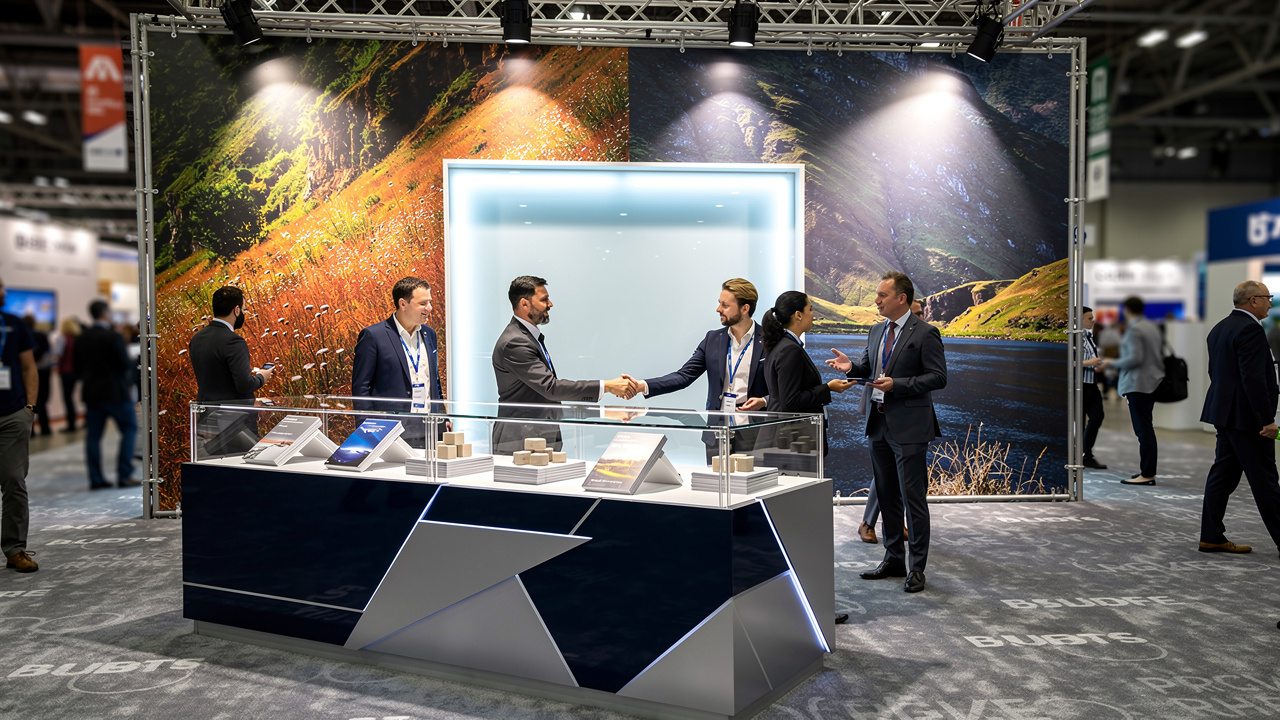
The acrylic displays that work best at exhibitions and trade shows combine large visual surfaces with precise touch points. Most successful stands use acrylic back walls, light boxes, reception counters, and smaller countertop pieces together. This mix creates a clear story path for visitors walking past your space in Dubai World Trade Centre, ADNEC, or Expo City Dubai.
Back wall panels and modular acrylic walls form the main picture behind your team. Full‑height sheets printed edge to edge show products, cityscapes, or brand photography at scale. Modular sets break down into sections that pack flat for flights between Dubai, Riyadh, and Doha.
Acrylic light boxes and edge‑lit panels add depth in darker aisles. LEDs hidden behind or along the panel edges turn engraved or printed areas into glowing features. These elements pull attention from a distance while still using slim hardware that fits standard booth frames.
Reception counters with printed acrylic fronts give staff a clean place to greet visitors and scan badges. Internal shelving keeps literature, samples, and devices out of sight. When counters repeat colors from the main backdrop, the stand feels like a planned unit instead of mismatched pieces.
Countertop acrylic display stands and brochure holders guide hands and eyes at close range. Transparent sides keep focus on products, while printed headers carry concise messages or QR codes. Placing these near demo areas or hospitality tables encourages longer visits and smoother conversations.
Awards, acrylic logos, and branded plaques can also appear on shelves or meeting tables inside the booth. Together with the main structures, these pieces keep the same material language from every angle. That helps photographs of the stand look consistent across LinkedIn, Instagram, and trade press coverage.
Choosing the Right Format for Your Exhibition Booth
Choosing the right acrylic format for an exhibition booth starts with booth size and how people move through the stand. Smaller spaces usually gain more from one strong backdrop than many scattered items. For standard shell schemes, panels between 5 millimeters and 10 millimeters work well for walls, while 3 millimeters to 5 millimeters suits countertop pieces that staff move by hand.
Outdoor trade events in Dubai or Abu Dhabi need UV‑stabilized acrylic grades that cope with heat and sun, and Spectral Tuning of Building energy conservation research highlights how transmittance optimization across layers directly affects material performance in high-sunlight environments. Indoors, clear gloss works for most halls, while frosted finishes help when spotlights create heavy reflections. Colored acrylic is best as an accent on logos or counter fronts rather than full walls, so text stays readable and lighting remains balanced.
Tip from Waseem Printing Services: Before sending final artwork, confirm exact panel sizes and fixing methods from your stand contractor. That small step helps avoid trimming important text or logos at the edges.
How UV Printing on Acrylic Raises Exhibition Display Quality
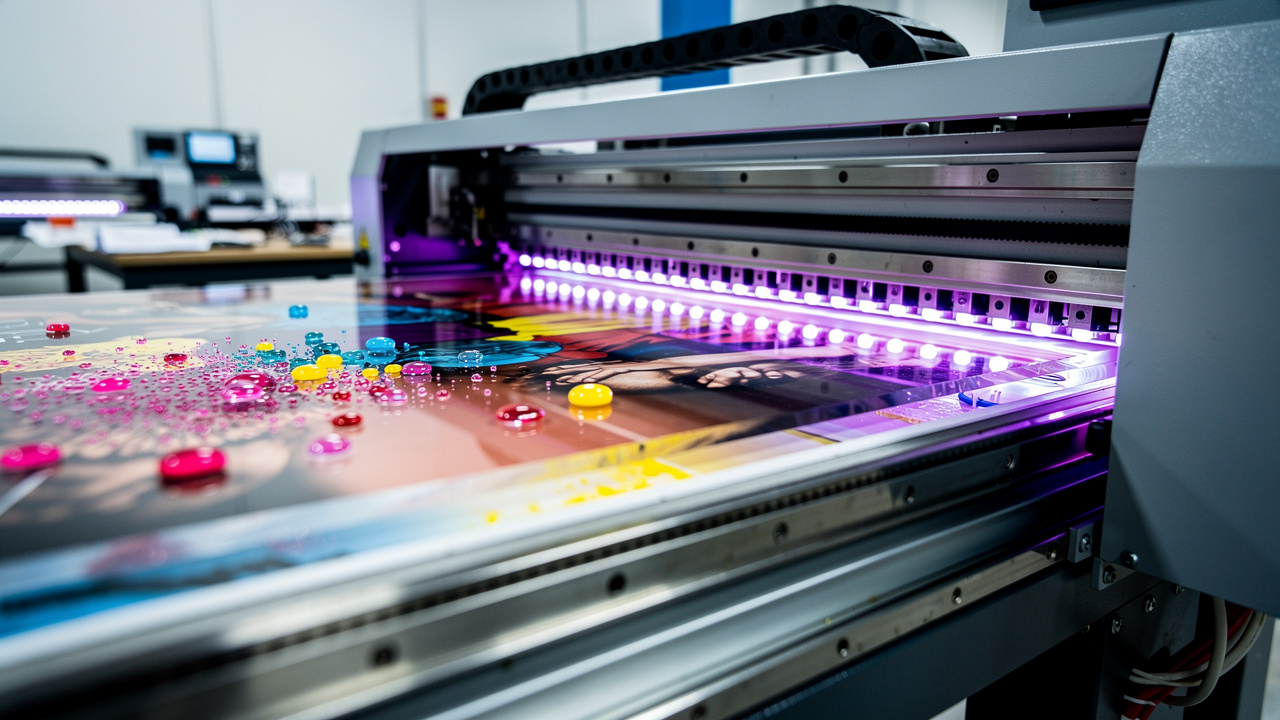
UV printing on acrylic raises exhibition display quality by putting ink directly onto the panel surface and curing it with ultraviolet light. This process gives sharper detail, richer color, and tougher finishes than vinyl stickers or paper posters applied on top of plastic sheets.
Modern flatbed UV printers can reach resolutions of up to 1,200 by 1,200 DPI according to Mimaki. That level of detail keeps fine text, gradients, and product photos clear even on three‑meter back walls. Because inks cure into a hard layer, staff can wipe panels clean between show days without smudging graphics.
Key advantages of UV printing on acrylic include:
Better color consistency across events. UV inks paired with good color management help match Pantone brand shades from event to event. This keeps packaging, brochures, and stand graphics aligned in Dubai, Riyadh, and beyond.
Improved durability and reuse. UV‑printed acrylic resists scratching better than printed paper behind thin sleeves, a durability advantage explored in studies on Soft Acrylic Graft Copolymer as clear viscoelastic films for flexible display applications. Reusable panels lower long‑term costs and reduce last‑minute rush jobs before shows at Dubai World Trade Centre.
More creative effects for branding. Printers can lay down white ink layers, clear varnish, or second‑surface prints behind clear acrylic, techniques that build on Recent Advances in Combining acrylic dispersions with other materials to achieve layered optical and surface effects. These techniques enable backlit gradients, spot‑gloss logos, and layered depth that standard roll‑up banners cannot achieve.
Here is a simple comparison between UV printing and vinyl graphics on acrylic:
| Method | Print Quality & Look | Durability Over Multiple Shows | Best Use Cases |
|---|---|---|---|
| UV Printing on Acrylic | Very sharp, rich colors, smooth surface | High resistance to scratches and fading | Main back walls, premium counters, light boxes |
| Vinyl Stickers on Acrylic | Good at first, edges may show or bubble | Film can peel, scratch, or discolor | Short‑term promos, temporary price or info panels |
Waseem Printing Services uses advanced flatbed UV systems that handle both small panels and full booth backdrops, so exhibitors receive consistent quality regardless of size. Test prints and material samples are available for key projects, which helps brand teams approve color before full production. That reduces risk when preparing graphics for global events like Arab Health or GITEX at Dubai World Trade Centre.
How Waseem Printing Services Delivers Acrylic Displays for Exhibitions
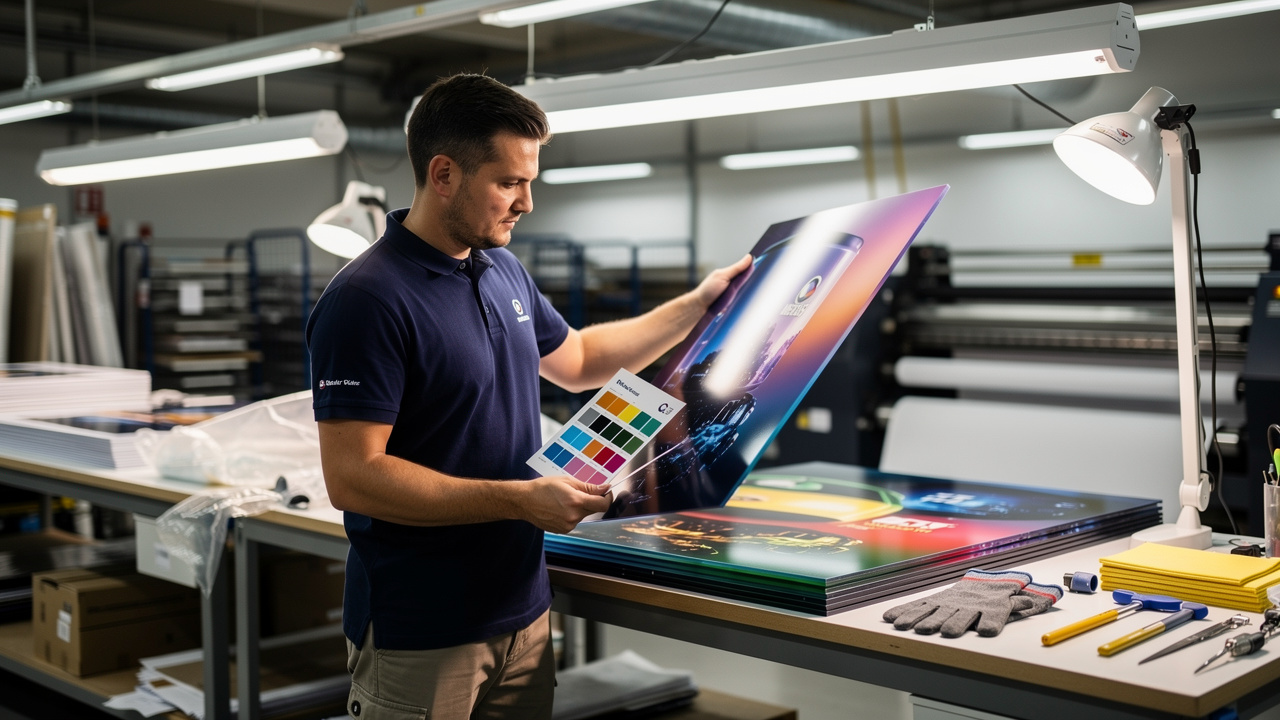
Waseem Printing Services delivers acrylic displays for exhibitions by managing the full print process from design files through packed, labeled panels. The Dubai‑based company focuses on UV printing for corporate clients, so its workflows match the pace and standards of major trade shows.
Exhibition teams often bring mixed needs, such as a five‑meter back wall, counter panels, hanging logo disks, and sample display risers. Waseem Printing Services uses flatbed UV printers to handle these components on the same press, with precise color calibration for brand palettes from companies like Emirates, Emaar, or ADNOC. That consistent output keeps every visible surface in the booth aligned with corporate guidelines.
At the start of a project, account staff review stand drawings, artwork, and venue rules from places like Dubai World Trade Centre or ADNEC. They advise on acrylic thickness, finishing methods, and fixing options so panels mount neatly on standard aluminum structures. Pre‑production proofs or small sample tiles can be supplied when marketing teams want to confirm color, opacity, or lighting effects.
“From a single branded panel to a full exhibition suite, Waseem Printing Services manages the entire print production process so your team can focus on the event, not the logistics.”
For many events, timing feels tighter than the stand brief. Because production, finishing, and packing all sit in one facility, Waseem Printing Services can schedule runs around shipment cutoffs and customs windows. The same team can also print matching graphics on glass, wood, or composite panels for architects and interior designers who want a unified look across the booth and permanent offices. This integrated support reduces the number of separate vendors marketing managers must coordinate while handling regional show calendars.
Wrapping Up
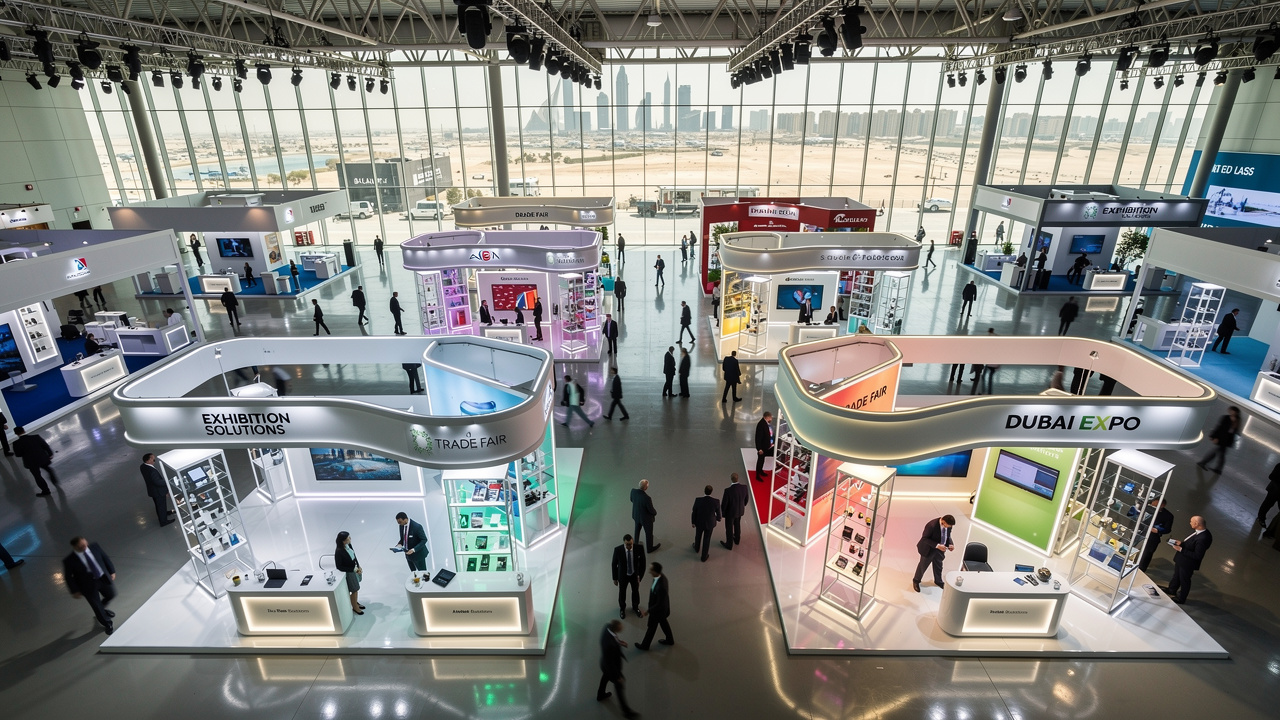
For exhibitions and trade shows in the UAE, acrylic display systems bring together visual impact, durability, and practical handling. Clear panels, solid counters, and reusable accessories help brands stay visible in crowded halls from Dubai to Abu Dhabi.
UV printing turns these structures into precise brand carriers that keep logos, product images, and colors consistent across many events. When displays last, budgets go further and teams spend less time replacing damaged graphics.
If your next show involves Dubai World Trade Centre, ADNEC, or an international venue, Waseem Printing Services can support the acrylic side from first sketch to delivered crates. Share your booth plan, and the team can suggest sizes, finishes, and production schedules that keep your brand ready for opening day.
Frequently Asked Questions
Question 1: What size acrylic panels are typically used for trade show displays?
Most trade show acrylic panels follow the booth size rather than strict standards. Wall backdrops often span two to three meters in width, printed as joined panels in 5 millimeter to 10 millimeter thickness. Countertop displays usually use 3 millimeter to 5 millimeter acrylic for easy handling and transport.
Question 2: How long do UV‑printed acrylic displays last?
UV‑printed acrylic displays are built for repeated use across many events. Fade‑resistant UV inks keep colors stable under strong hall lighting. When panels are stored in padded crates and handled carefully, they can stay show‑ready for several years of regional exhibition schedules.
Question 3: Can acrylic displays be reused at multiple exhibitions?
Yes, acrylic displays are well suited to reuse across multiple exhibitions. Rigid panels, proper hardware, and UV‑cured graphics cope with set‑up, dismantling, and transport. When sizes match common booth widths, the same pieces can appear in Dubai, Riyadh, Jeddah, and other regional trade shows.
Question 4: What is the difference between UV printing and vinyl for acrylic displays?
UV printing places ink directly onto the acrylic, creating sharper images and a smoother surface. Vinyl uses a separate adhesive film applied over the panel. Over time that film can bubble or peel, while UV prints stay flatter and more reliable for exhibition‑grade acrylic displays.
Question 5: Does Waseem Printing Services handle large‑format acrylic display printing?
Yes, Waseem Printing Services operates flatbed UV equipment suitable for large‑format acrylic display printing. The team can produce full back walls, tall feature panels, and smaller items in one coordinated run. Consistent color management keeps oversized graphics aligned with podiums, brochure holders, and other booth elements.