Hotels and restaurants across Dubai and the wider UAE are judged the second guests walk through the door. Flat posters, peeling vinyl, or generic frames can make even a carefully planned interior feel strangely ordinary.
When wall art and signage fall short, lighting, furniture, and excellent service have to work harder to create a memorable stay, yet the space can still feel underwhelming.
Acrylic printing reproduces photography, artwork, and brand graphics on polished acrylic panels, giving glass-like depth, rich color, and reliable durability in busy spaces. Used well, it upgrades lobbies, corridors, and guest rooms without constant replacement. This guide explains creative hospitality uses for acrylic printing and how Waseem Printing Services in the UAE turns ideas into ready-to-install panels.
Key Takeaways
Before we go deeper, it helps to see the highlights first. These points show how acrylic printing supports modern hospitality design and where Waseem Printing Services fits into the picture.
Acrylic printing works as a hospitality design essential. It delivers sharp color, glass-like depth, and consistent branding in high-traffic interiors, and it suits varied lighting conditions across lobbies, corridors, and dining spaces.
Creative uses range from lobby feature walls to guest room panels, menus, and wayfinding signage. Each application balances aesthetics with daily practicality. The same technology serves both independent boutique hotels and large groups.
Waseem Printing Services provides integrated UV printing on acrylic, glass, wood, leather, and acoustic panels. This keeps color and sizing consistent across many surfaces and simplifies coordination for designers and hotel operators.
What Makes Acrylic Printing Ideal For Hospitality Interiors?
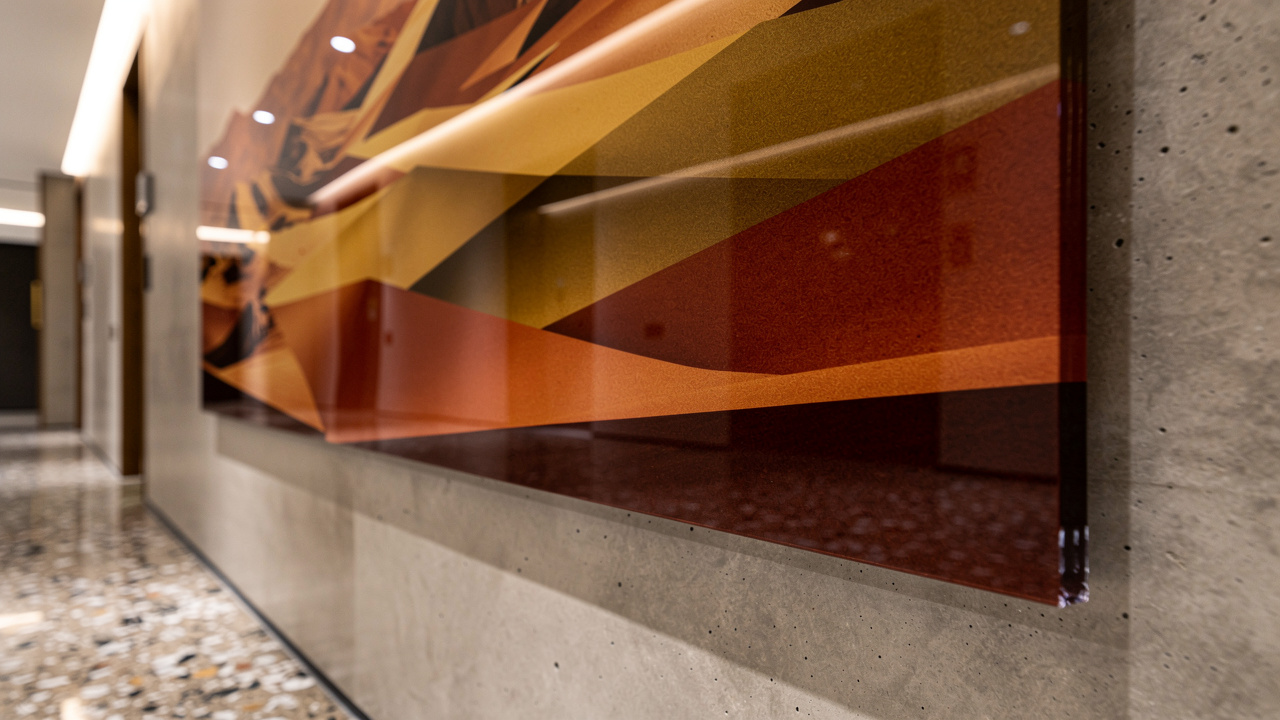
Acrylic printing suits hospitality interiors because it combines premium visual quality with strong performance in real-world conditions. Hotels, resorts, and restaurants in Dubai, Abu Dhabi, and beyond gain gallery-style visuals that also stand up to constant use. That mix matters more than any single design trend.
Acrylic panels start with impressive optics. The material is crystal clear, so high-resolution UV printing looks vivid and sharp, even in large formats. According to Nielsen Norman Group, visitors form impressions of a visual layout in fractions of a second, which means lobby art and signage must look confident at first glance. Acrylic helps colors appear deeper, gradients smoother, and fine details crisp.
Hospitality interiors also push materials hard:
Air conditioning runs all day.
Doors open to hot, humid streets.
Cleaners wipe surfaces constantly.
UV inks cured directly onto acrylic resist fading, moisture, and light abrasion — a performance profile supported by research into the Mechanical, Morphological, and Electrical characteristics of UV-cured coatings on printed surfaces — which is ideal for corridors, elevators, and F&B areas. That means branding stays consistent from opening week through years of guest traffic.
Maintenance is another key factor. Acrylic panels wipe clean with basic non-abrasive cleaners, unlike canvas that can stain or warp. Compared with framed glass, acrylic weighs less and resists impact, which lowers risk in crowded lobbies or busy buffet zones. For operators, the result feels less like decoration and more like a long-term interior asset.
“Form follows function.” — Louis Sullivan
That principle is especially relevant for hospitality interiors, where artwork must look refined while handling daily wear, cleaning, and high guest turnover.
6 Creative Ways Hospitality Spaces Use Acrylic Printing
Hospitality spaces use acrylic printing creatively by turning it into statement walls, signage, and focal points that guests remember long after checkout. The same technology supports both subtle accents and bold architectural gestures, so designers can match brand personality without changing material systems every time.
Design insight: The most memorable hospitality spaces do not just look designed — they feel intentional. Acrylic printing is one of the few mediums that bridges that gap between aesthetics and architecture.
Below are six proven applications that work especially well in hotels, resorts, and restaurants across the UAE.
Lobby Feature Walls And Statement Installations
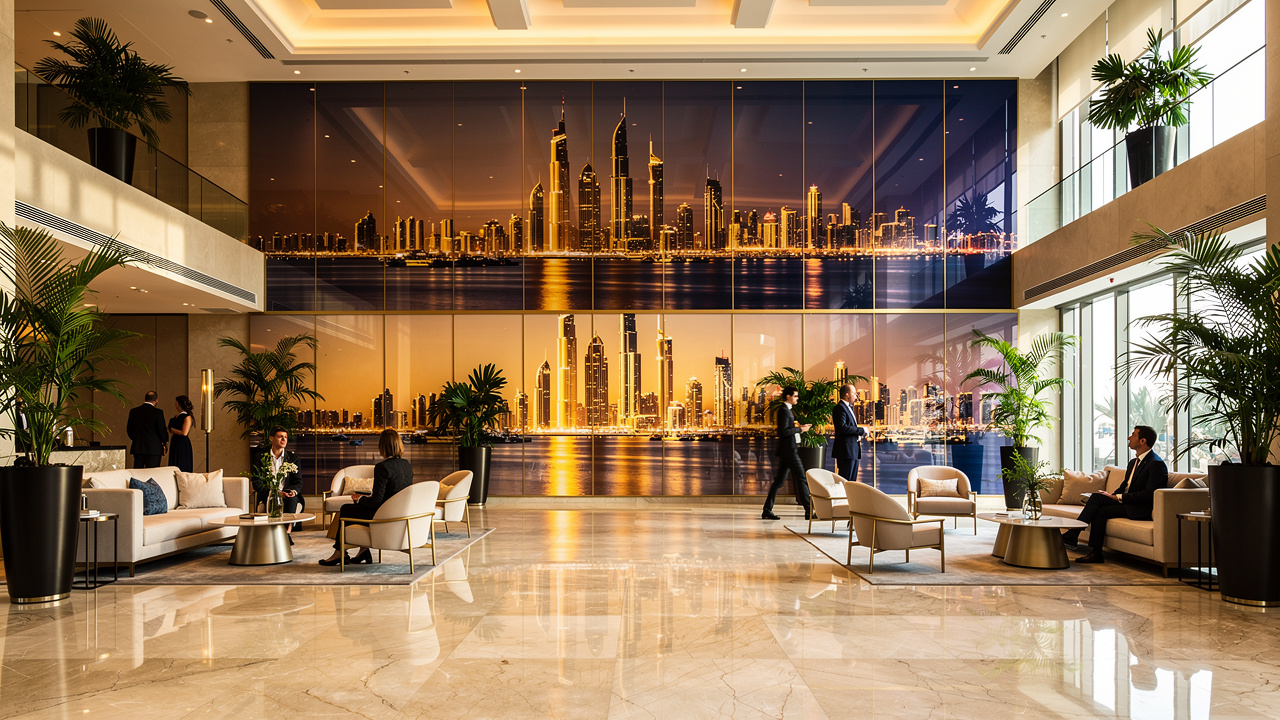
Large-format acrylic panels can turn a blank lobby wall into a signature brand moment. Designers often print cityscapes of Dubai Marina, abstract patterns, or brand motifs at several meters wide, a scope of application well documented in the Dubai Acrylic Solutions Guide: covering fabrication, signage, and custom display products across the region. The glossy surface catches both natural light and feature lighting, creating depth that standard wallpaper cannot match. Waseem Printing Services uses industrial flatbed UV printers to keep imagery sharp even at these scales and can divide artwork into cleanly aligned panels where access or lifts limit sheet size.Restaurant And Café Branded Backdrops
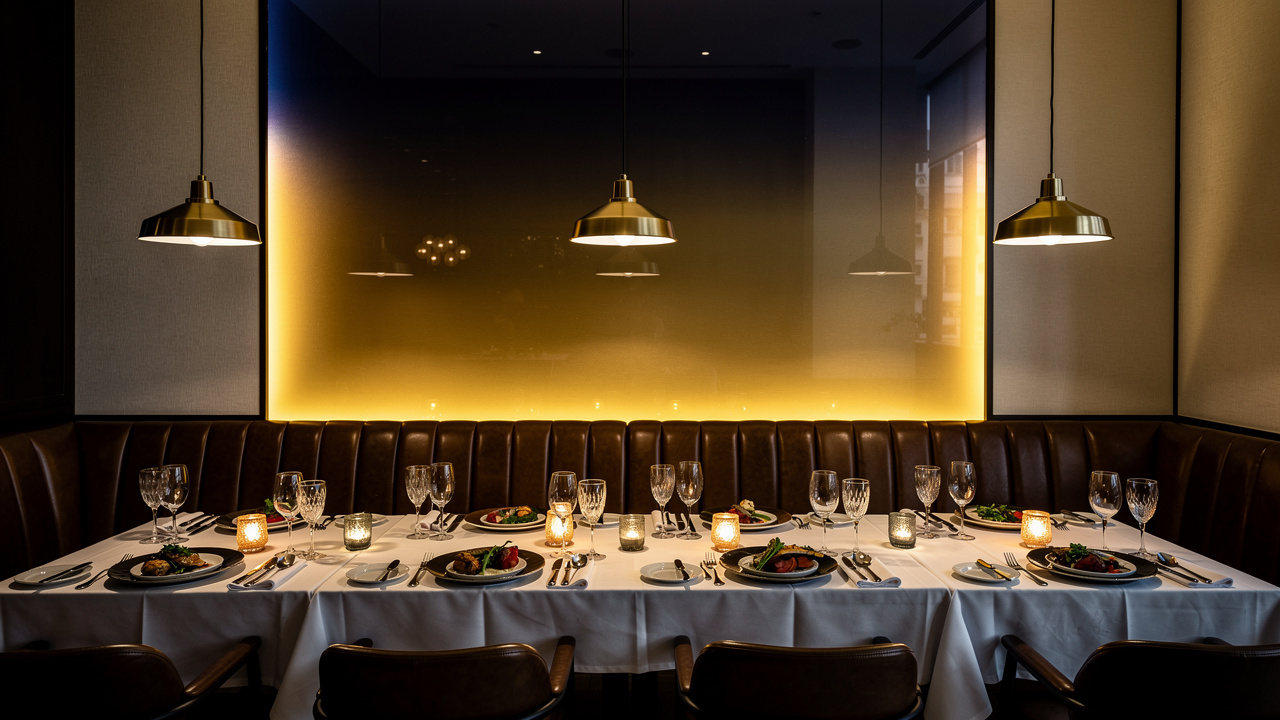
In F&B spaces, acrylic printing supports menus, art walls, and brand storytelling behind banquettes or counters. Food photography on acrylic looks rich and saturated, which pairs nicely with warm pendant lighting and textured finishes. The surface shrugs off steam, splashes, and frequent cleaning, making it more practical than framed paper prints. This keeps backdrops in casual cafés and fine dining rooms looking fresh between refurbishments and menu updates.Wayfinding And Directional Signage
Clear wayfinding is part of guest comfort, especially in large resorts or mixed-use properties. Acrylic printed signs replace generic plaques with branded typography, icons, and color systems. Panels can be clear, frosted, or tinted to match the interior palette while staying easy to read. According to research from Nielsen Norman Group, intuitive wayfinding reduces visitor stress, which directly improves perceived experience. Acrylic signage helps achieve that calm clarity without looking industrial or out of place with premium finishes.Guest Room Decorative Panels
Instead of standard framed posters, hotels can specify slim acrylic panels above beds, desks, or sofas. The material keeps weight low, which matters for safety and installation on drywall partitions. Consistent printing across hundreds of rooms lets brands repeat a visual story from property to property. Waseem Printing Services matches colors closely, so a signature pattern or photographic series looks the same in Dubai, Riyadh, or Doha, simplifying multi-property brand standards.Bar And Lounge Backdrops
Bars and lounges benefit from drama and controlled lighting, and acrylic printing fits that brief. When mounted in front of LED panels, printed acrylic becomes a glowing backdrop behind bottles or seating niches. Designers can mix dark base colors with metallic accents or gradients for a subtle, layered effect. Research from McKinsey links strong experience design with higher spend per visit, and a striking bar backdrop supports that goal by making the space feel special without constant remodeling.Event And Conference Venue Branding
Hotel ballrooms and conference centers constantly change layouts for corporate events, weddings, and exhibitions. Acrylic printed panels work as reusable stage backdrops, sponsorship walls, or check-in counters. They are rigid enough to stand on modular frames, yet light enough for event teams to move quickly between setups. Waseem Printing Services can produce panel sets that repeat across many venues, giving hotel groups a consistent event look from Dubai World Trade Centre to ADNEC-linked properties and other regional locations.
Practical tip: Keep a small stock of neutral acrylic panels that can be re-branded with decals for short-term events, saving time and storage space.
How Waseem Printing Services Brings These Applications To Life
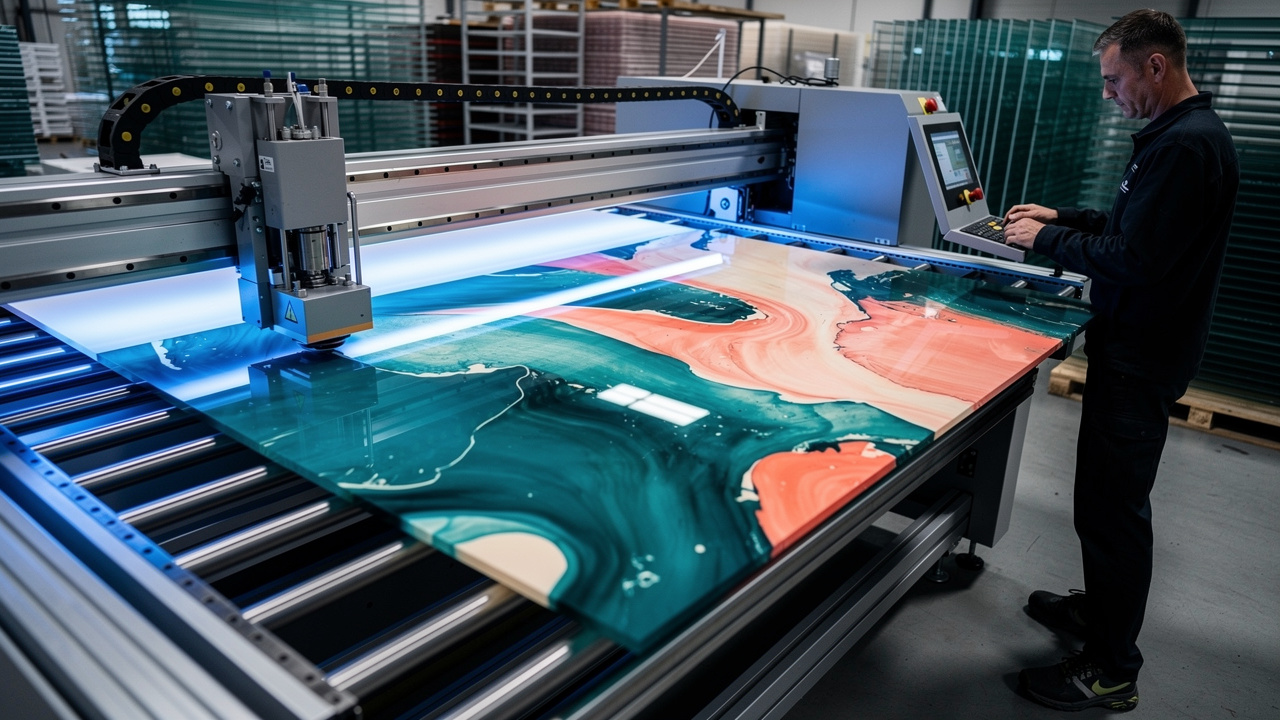
Waseem Printing Services turns acrylic printing concepts into finished panels by combining advanced UV technology with a structured project workflow. Hospitality designers and operators gain a single partner who understands both brand guidelines and onsite realities in the UAE. That combination reduces guesswork, rework, and delays.
The production floor centers on industrial flatbed UV printers that handle large acrylic sheets with high resolution. This allows feature walls, bar backdrops, and multi-panel installations to be printed in as few joins as the site permits. White ink channels support printing on clear or tinted acrylic, which is key for backlit elements and colored substrates — a capability closely related to advances in Hybrid epoxy–acrylate resins for wavelength-selective multimaterial 3D and flatbed printing processes. Precise color management aligns output with Pantone or brand standards so that logos, accent colors, and photography remain faithful.
For hospitality projects, the process typically follows three simple stages:
Artwork And Technical Review – The team reviews files, sizes, and fixing details, flagging any issues before printing.
Color Proofing And Approval – Test prints help designers check tone and contrast under project lighting.
Production, Cutting, And Packing – Final panels are printed, CNC-cut, and protected for transport to site or storage.
For non-standard spaces, custom sizing is standard practice. Many hospitality interiors feature curved walls, niche recesses, or bulkheads around services. Waseem Printing Services uses CNC cutting to shape panels exactly, whether that means soft corners in a spa corridor or geometric forms in a rooftop lounge. That same equipment prepares clean holes for standoff hardware or concealed fixing systems.
A major strength lies in multi-surface capability. Alongside acrylic printing, Waseem Printing Services prints directly onto glass, wood, leather, and acoustic panels using the same UV process. This lets a single project team coordinate reception desks, wall panels, menu boards, and sound-absorbing features with one color-managed workflow. According to the World Travel & Tourism Council, travel and tourism contribute over ten percent of global GDP, so even modest gains in guest perception matter. A coordinated visual environment supports that commercial goal for hotels and restaurant groups.
Why Acrylic Printing Outperforms Other Interior Display Materials
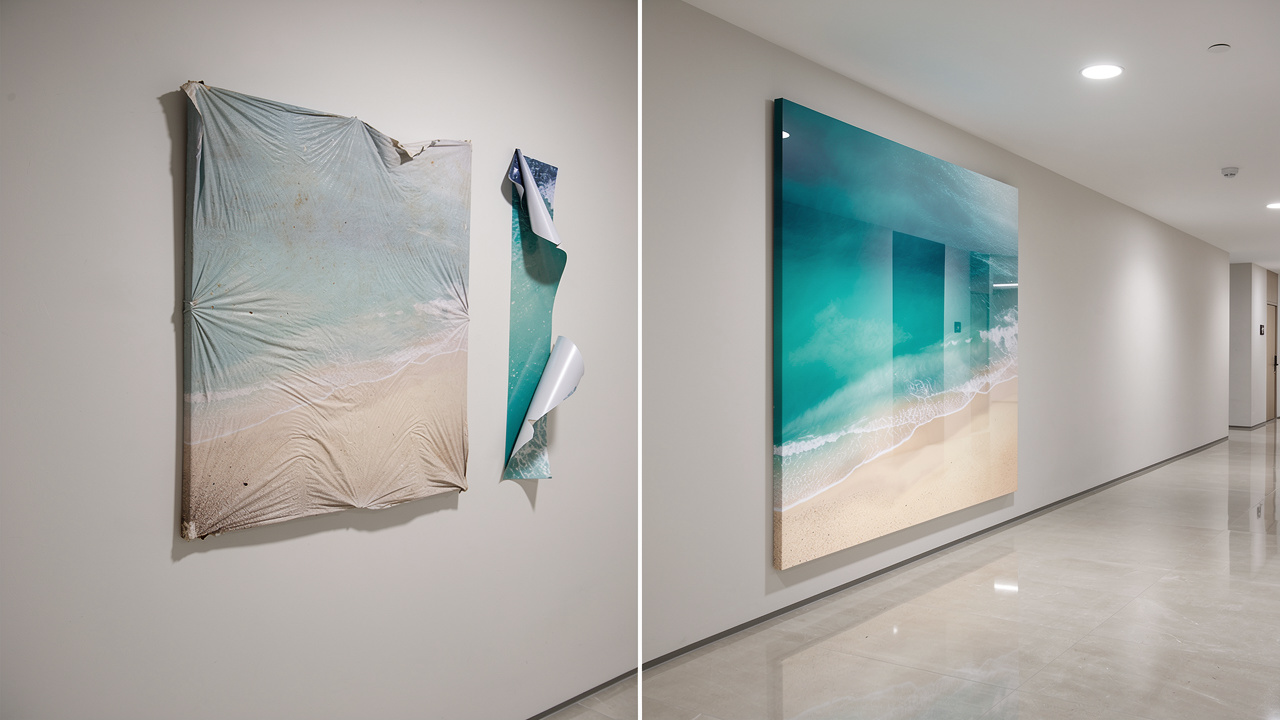
Acrylic printing often outperforms alternatives like canvas, vinyl graphics, and glass because it balances visual impact, resilience, and handling. Hospitality interiors get a material that looks high-end yet behaves predictably in demanding conditions. That mix is hard to match with softer or more fragile substrates.
Canvas prints can look warm, but they stretch, warp, and fade under strong lighting and air conditioning. Vinyl wall graphics are relatively quick to apply, yet they scuff, peel at edges, and rarely match the perceived quality of a five-star lobby. Glass has excellent clarity but is heavy and fragile, which complicates installation on large walls or near guest circulation paths.
Acrylic sits between these options. It approaches glass in clarity while weighing roughly half as much, which means easier mounting and lower risk during handling. UV-cured inks resist moisture and cleaning chemicals better than many paper-based systems — a property underpinned by research into Cross-Linker-Free Photopolymerization-Induced Microphase Separation toward nanostructured recyclable polymer materials — so housekeeping does not shorten the life of the artwork. According to the American Hotel & Lodging Association, maintenance and operations represent a major share of hotel operating costs, so materials that last longer without special care help control budgets and free funds for future upgrades.
| Material | Durability | Visual Impact | Moisture Resistance | Maintenance |
|---|---|---|---|---|
| Acrylic (UV Printed) | High | Premium glass-like look | Resistant | Simple wiping, low risk of damage |
| Canvas | Medium | Soft, less crisp | Poor in humid zones | Careful dusting, prone to warping |
| Vinyl Graphics | Low to Medium | Decent but flat | Limited, can peel | Needs periodic replacement |
| Glass | High but fragile | High clarity | Resistant | Harder to install and replace |
The Bottom Line
For hospitality brands in Dubai and across the UAE, acrylic printing is more than a décor option. It is a practical way to align guest experience, brand identity, and long-term maintenance in one material choice.
Used thoughtfully, acrylic panels turn lobbies into statement spaces, make wayfinding feel intentional, and keep guest rooms visually consistent across many floors or properties. Waseem Printing Services supports this with high-resolution UV printing, custom sizing, and multi-surface integration on acrylic, glass, wood, leather, and acoustic panels. When interiors look this considered, guests notice, remember, and are more likely to return — and to recommend the property to others.
Budget tip: Plan acrylic installations around long-lived architectural features such as reception desks and lift lobbies so artwork does not need replacing with every soft refurbishment.
Frequently Asked Questions
Before specifying acrylic printing for a hospitality project, many designers and operators share similar questions. The answers below cover the most common points, from humidity resistance to multi-property brand rollouts. Each one stands alone so project teams can refer back quickly.
Question 1: Is Acrylic Printing Suitable For Humid Environments Like Hotel Pools Or Spa Areas?
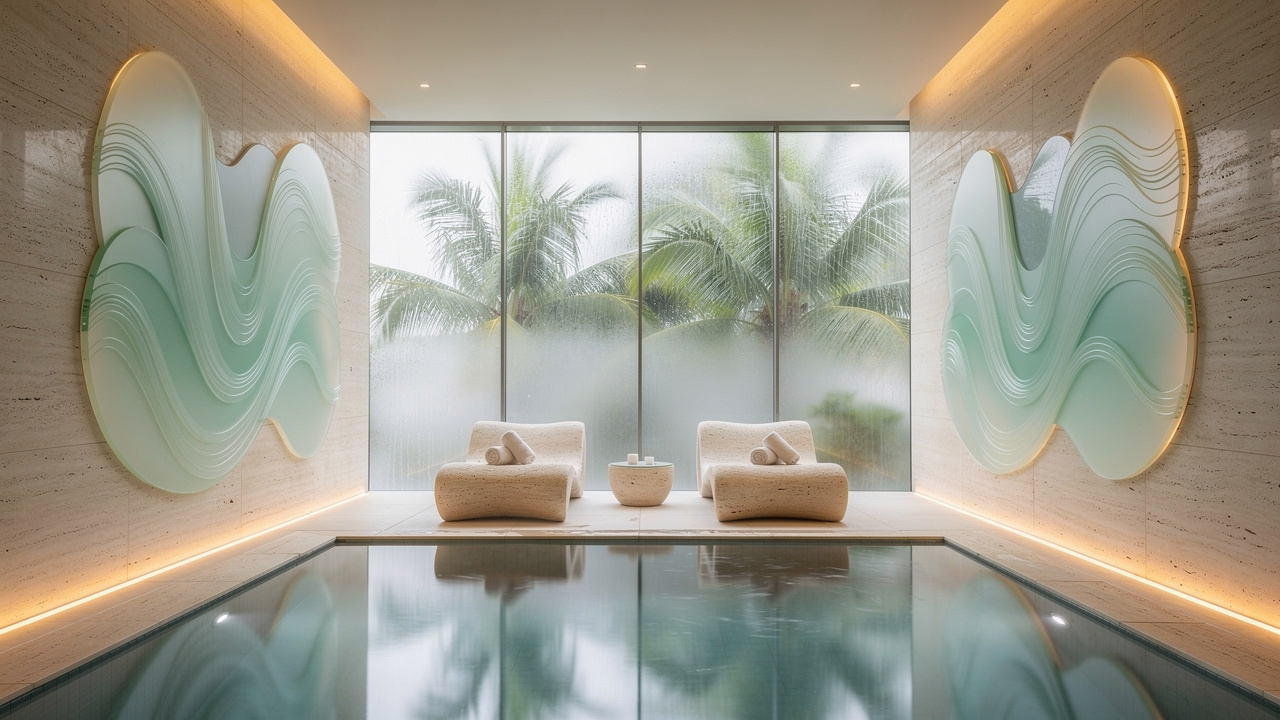
Yes, acrylic printing works very well in humid zones like pools and spas. UV-cured inks bond tightly to the acrylic surface, so steam and splashes do not cause peeling or smudging. The panels are also easy to wipe dry, which helps housekeeping maintain a clean, polished look every day. For areas with regular splashing, designers usually combine acrylic with stainless-steel fixings and suitable sealing to protect wall substrates.
Question 2: Can Acrylic Prints Be Produced In Custom Sizes For Non-Standard Architectural Spaces?
Acrylic prints can be produced in highly custom sizes for almost any wall or ceiling condition. Industrial flatbed UV printers handle large sheets, while CNC cutting shapes them to curves, angles, or cutouts. This makes acrylic printing suitable for feature walls, columns, and bulkheads in complex hotel and restaurant layouts. For very long walls, panels can be split into sections with carefully planned joins that line up with columns or lighting details.
Question 3: How Does Acrylic Printing Support Brand Consistency Across Multiple Hotel Properties?
Acrylic printing supports brand consistency by using controlled color profiles and repeatable production settings. Waseem Printing Services calibrates printers to brand palettes, so signage and artwork match from one batch to the next. This helps hotel groups keep the same visual language from a flagship property in Dubai to new openings abroad. Stored artwork files and production notes also make future reorders straightforward.
Question 4: How Long Do Acrylic Prints Last In High-Traffic Hospitality Spaces?
Well-produced acrylic prints often last many years in busy hospitality settings. UV-cured inks resist fading from interior lighting, while the acrylic itself withstands bumps and frequent cleaning. For most hotels and restaurants, panels remain presentable far beyond a normal refurbishment cycle, which supports better long-term return on investment. Spaces with strong direct sunlight may need extra checks during design to position panels away from glare and heat.
Question 5: Can Waseem Printing Services Handle Both Acrylic And Other Surface Materials For A Single Hospitality Project?
Yes, Waseem Printing Services is set up to handle acrylic and other flat materials in one project. The same UV technology prints on glass, wood, leather, and acoustic panels as well as acrylic. This gives designers and operators one coordinated partner and a consistent look across reception desks, wall art, signage, and acoustic features. Having a single supplier also simplifies packing and delivery schedules for phased hotel openings.